
If you’ve spent any time in the gaming world, you’ve probably heard someone say, “This feels very Soulslike.” And if you’re wondering what is a Soulslike game, don’t worry — you’re not alone. It’s one of the most used (and often misused) terms in modern gaming. Every tough boss, every stamina bar, and every gloomy medieval corridor somehow becomes “Soulslike.” But the truth is: the Soulslike genre has a very specific identity, and it’s become one of the most influential movements in gaming history.
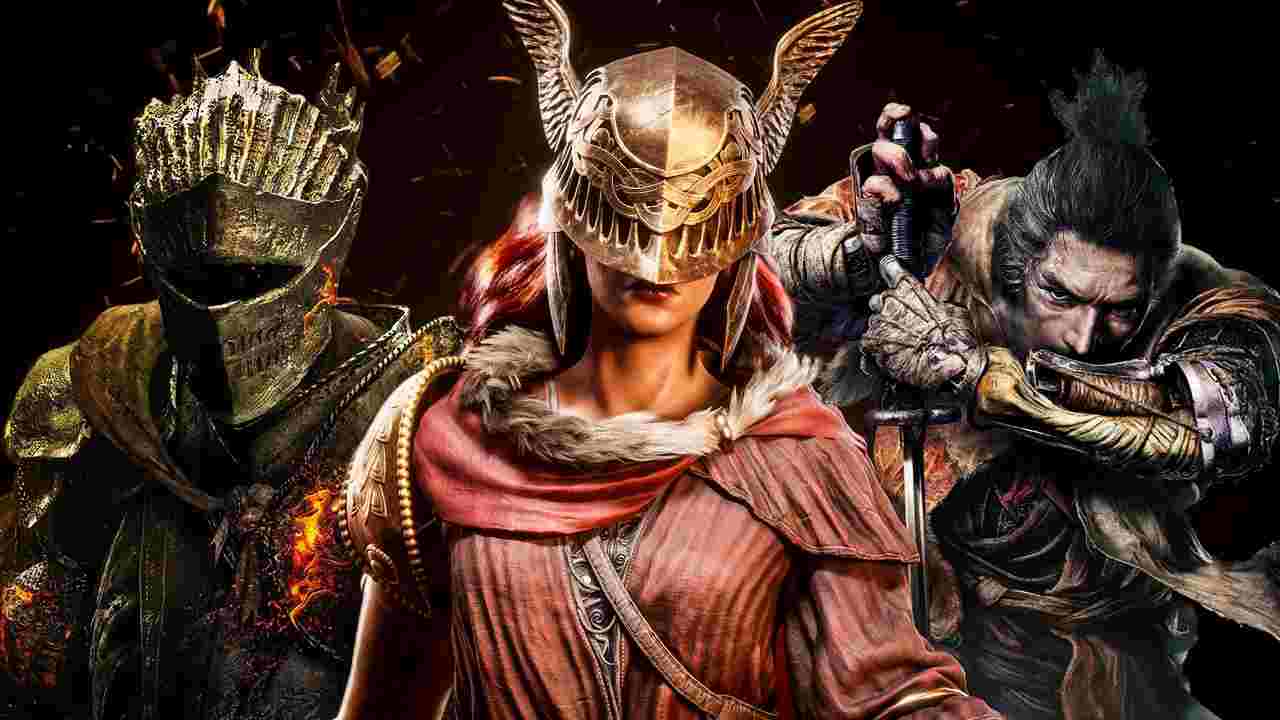
The rise of Soulslike games started with FromSoftware’s groundbreaking work — Demon’s Souls, Dark Souls, Bloodborne, and eventually Elden Ring. These weren’t just games; they were full-blown philosophies. They proved that challenge could be fun, dying could be educational, and exploring a mysterious world with minimal hand-holding could become downright addictive. That’s why players continue asking for the proper definition of a Soulslike game, because the subgenre has grown far beyond one studio.
Today, Soulslike titles come in all shapes: medieval, sci-fi, anime, 2D, 3D, indie, AAA — yet they all share the same DNA. They’re tough but fair. They reward patience, punish greed, and make every victory feel earned (and every defeat feel personal). Understanding what makes a game Soulslike means understanding why millions of players keep returning to these challenging worlds despite… well, the trauma.
In this guide, we’ll break down the defining features of Soulslike games, explore how the genre began, what separates Soulslike from Soulsborne, why these games are so popular, and which titles you should play if you want to experience the magic (or pain, depending on your build).
So tighten your gauntlets, stock up on Estus, and let’s dive into what truly defines a Soulslike.
Read Also: 10 Best Soulslike Games You Shouldn’t Miss
Soulslike Game Meaning — The Full Definition
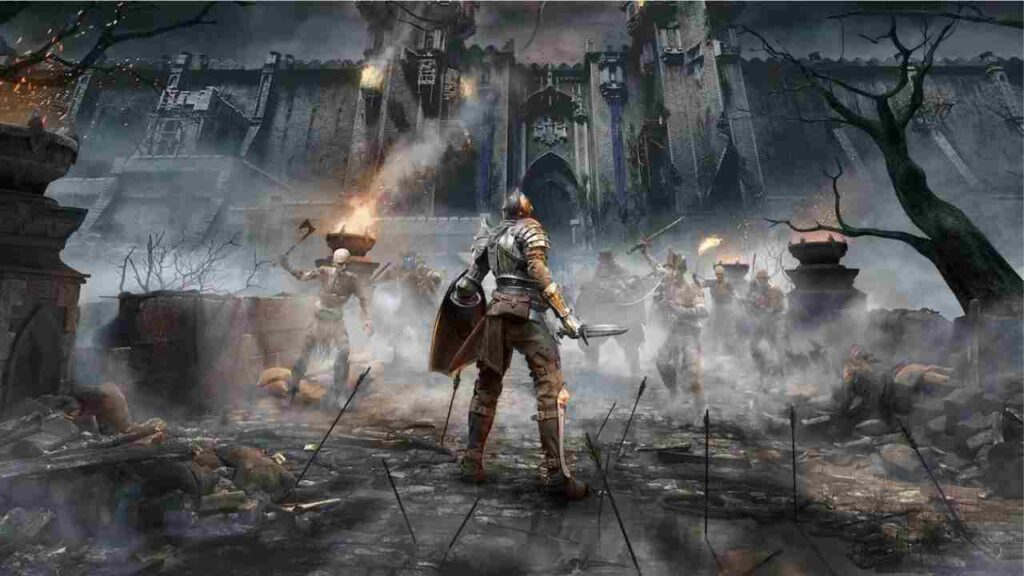
Understanding the definition of a Soulslike game starts with one simple idea: it’s a gaming subgenre inspired by the mechanics, structure, and design philosophy of FromSoftware’s Souls series. But that explanation barely scratches the surface. A Soulslike isn’t just “a difficult game” or “a game where you roll a lot.” It’s a very specific blend of systems that work together to create a unique sense of challenge, mastery, and progression.
At its core, a Soulslike game combines methodical combat, punishing difficulty, risk–reward progression, and environment-driven storytelling. Instead of guiding players with long tutorials and glowing objective markers, Soulslike games encourage exploration, curiosity, and personal discovery. You learn by failing, improve by experimenting, and advance by mastering the game’s rhythm.
The world design is equally important. Soulslike titles use interconnected maps, hidden shortcuts, layered verticality, and carefully placed enemies to create an immersive environment that almost feels alive. There’s a constant push-and-pull between danger and reward, tension and relief — a design philosophy rarely found in traditional action RPGs.
A modern Soulslike also incorporates boss-driven progression, where overcoming a major enemy opens new paths or unlocks new abilities. These bosses serve as difficulty checkpoints and narrative milestones, challenging players’ skills while rewarding them with unforgettable moments.
Lastly, Soulslikes often favor subtle storytelling over cutscene-heavy narratives. You’re encouraged to piece together the lore through item descriptions, environmental clues, NPC encounters, and world design — not through long cinematic sequences.
In simple terms: a Soulslike game is a challenging, exploration-driven action experience built around deliberate combat, discovery-based progression, and immersive world design. It’s a genre defined by atmosphere, mechanics, and respect for player skill — not just difficulty.
Read Also: 10 Best Soulslike Games on PlayStation 5
Origins of the Soulslike Genre
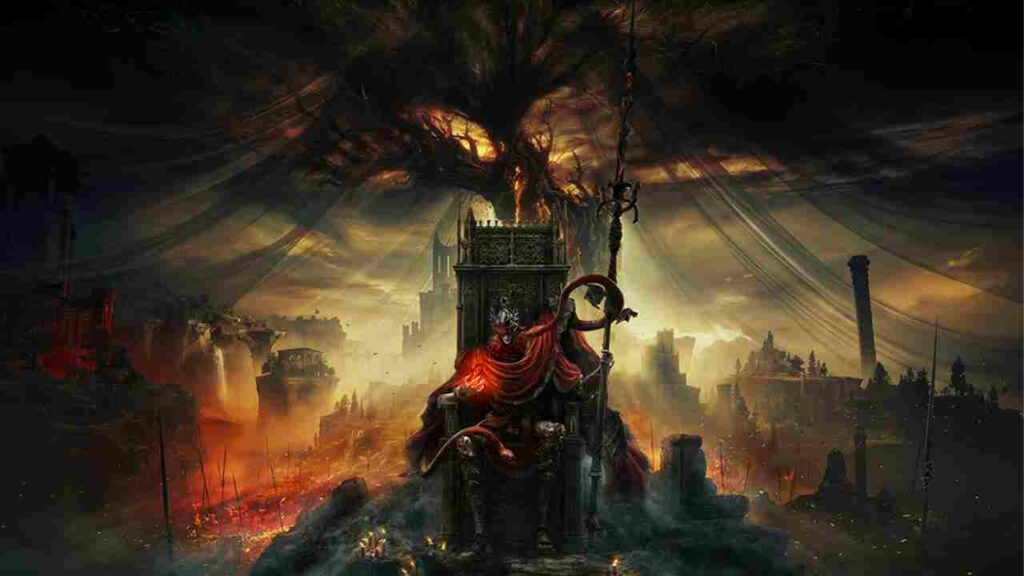
To understand where the Soulslike genre came from, we have to look back at a time when mainstream gaming was flooded with hand-holding tutorials, bright quest markers, and checkpoint-heavy action games. Then, quietly and almost unexpectedly, FromSoftware changed everything. The moment Demon’s Souls arrived in 2009, it introduced a design philosophy that went against the trend: a game that respected the player’s intelligence, punished mistakes fairly, and rewarded mastery instead of scripted events.
Demon’s Souls was bold, cryptic, and brutally uncompromising — and it immediately built a cult following. Players who were tired of overly guided experiences suddenly found a game that challenged them to think, experiment, and persevere. Although it wasn’t a massive commercial hit at first, it laid the foundation for something legendary.
Then in 2011, Dark Souls arrived. And that’s when the genre exploded.
Dark Souls refined everything Demon’s Souls attempted:
- A vast interconnected world
- Brilliant shortcut design
- Creative boss encounters
- A mysterious story told through atmosphere
- Tension-filled combat that rewarded patience and awareness
It wasn’t just a game; it was a movement. Players across the world began sharing strategies, bragging about surviving boss fights, and forming an entirely new type of gaming community. That’s also when the term “Soulslike” began spreading online — not officially coined by developers, but by gamers trying to describe this new style of action RPG.
Over the years, FromSoftware built on this formula through Dark Souls II, Bloodborne, Dark Souls III, Sekiro, and eventually Elden Ring, each adding new variations while keeping the heart of the system intact. Other studios took notice, and soon we had games like Nioh, Lies of P, Mortal Shell, and Lords of the Fallen, all inspired by the same core ideas.
The Soulslike genre was no longer tied to just Dark Souls — it grew into a full-fledged category defined by design philosophy, combat style, and storytelling approach. What started as a niche eventually became one of the most influential gaming genres of the modern era.
Read Also: 20 Best Horror Games of All Time in Gaming History
What Makes a Game Soulslike? (Core Elements Explained)
Before we dive into the deeper mechanics, it’s important to understand that Soulslike games aren’t defined by one single feature. It’s the combination of systems — difficulty, world design, combat style, storytelling — that creates the signature experience. These games challenge players mentally, mechanically, and emotionally, which is why they stand out so distinctly in the action-RPG landscape.
Below are the core elements that truly define what makes a game Soulslike.
Punishing but Fair Difficulty
Soulslikes are known for being tough, but the difficulty isn’t cheap. Enemies have predictable attack patterns, boss mechanics are learnable, and every death teaches something valuable. The challenge exists to make victories meaningful — not to frustrate players unfairly.
Stamina-Based Combat & Precise Timing
Combat revolves around stamina management. Every swing, block, dodge, and sprint pulls from the same resource pool, forcing players to think carefully before acting. This creates a rhythm where timing, spacing, and commitment matter more than button mashing.
Dodge-Roll, Parry & Reactive Combat
Soulslike combat rewards reactive players. Dodging at the perfect moment, landing a parry, or deflecting an attack can turn the tide instantly. Players must analyze enemy animations, anticipate moves, and respond with precision.
Non-Linear Exploration & Hidden Paths
Soulslikes rarely lead you in a straight line. Worlds are interconnected, filled with shortcuts, optional zones, secret passages, and environmental clues. Exploration is a core part of the experience — curiosity is rewarded.
Challenging Boss Fights
Boss battles are the heart of the genre. Every Soulslike game features unique, larger-than-life enemies with multi-phase movesets designed to push players to their limits. Bosses act as tests of mastery, marking the player’s growth through the game.
Death & Recovery Mechanics
A defining Soulslike trait: when you die, you drop your accumulated rewards (souls, runes, XP, etc.). You get one chance to recover them — fail, and they’re gone. This adds tension, risk management, and emotional stakes to every encounter.
Minimalistic Storytelling & Environmental Lore
Instead of dumping information through cutscenes, Soulslikes rely on atmosphere, item descriptions, cryptic NPC dialogue, and visual storytelling. Players piece the narrative together themselves, creating a sense of mystery and discovery.
RPG Progression & Build Flexibility
Soulslikes often include deep role-playing elements: leveling up, upgrading weapons, collecting gear, and customizing builds. This flexibility lets players approach challenges in different ways, encouraging experimentation and personal expression.
Defining Features of Soulslike Games (In-Depth Breakdown)
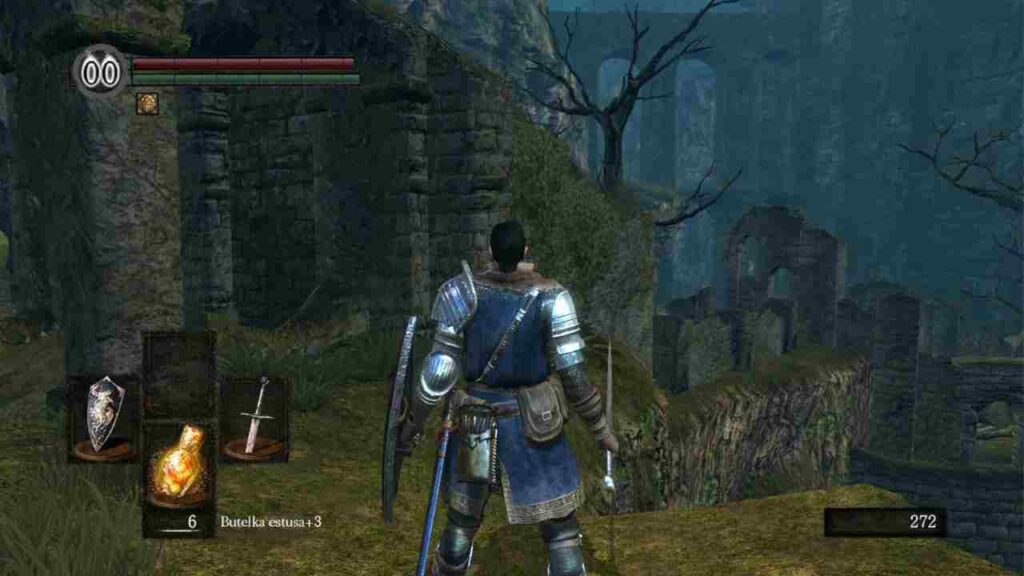
Soulslike games share a set of deeper design principles that go far beyond combat mechanics or difficulty. These features are what give the genre its identity — from world layout to atmosphere to enemy behavior. Understanding these elements helps explain why Soulslikes feel so immersive and why their formula is so hard to replicate.
Below are the defining features that distinguish Soulslike games from standard action RPGs.
Interconnected World Design With Smart Shortcuts
Soulslike worlds aren’t built as straight lines from point A to B. They’re layered, winding, and interconnected. Discovering a hidden shortcut that loops back to a central bonfire or hub area often feels like a reward on its own. This design encourages exploration while offering natural “breathing points” for players during difficult sections.
Meaningful Level Layout and Verticality
Every hallway, corner, cliffside, or rooftop is intentionally placed. Soulslike games use verticality — ladders, elevators, drop paths, and multi-floor zones — to create tension and surprise. Enemies can ambush from above, items hide on unreachable ledges, and players must stay alert regardless of direction.
Deliberate Enemy Placement
Enemies in Soulslikes aren’t scattered randomly. They’re positioned to teach lessons, punish reckless movement, or foreshadow future dangers. One tough enemy may be placed early to encourage defensive play. A group might be positioned to punish rushing. These placements shape the entire difficulty curve.
Limited Fast Travel (At Least Early On)
Unlike many open-world titles, Soulslikes restrict fast travel until later in the game. This forces players to learn the world’s structure, master zone pathways, and experience the environment as a cohesive whole rather than a list of destinations.
High Skill Ceiling with Low Hand-Holding
Soulslike games avoid over-explaining mechanics. Tooltips, tutorials, and markers are minimal. Instead, players learn through experimentation. This fosters a sense of personal achievement and discovery that’s rare in modern titles.
Atmospheric Worldbuilding & Tone
Soulslikes use somber, mysterious, or oppressive atmospheres to convey story. Dark forests, abandoned cities, foggy ruins, cursed castles — each location tells a story through mood rather than dialogue. This style immerses players emotionally and psychologically.
Enemy Attack Patterns Designed for Mastery
Soulslike enemies have deliberate, readable animations. Once you learn their patterns, you can defeat them reliably — no RNG, no cheap gimmicks. This fairness is a major reason fans stay loyal to the genre.
Scarcity of Resources
Healing items, upgrade materials, and currency come with limitations. This encourages careful resource management and adds an extra layer of tension. Every decision feels impactful, from when to heal to how aggressively to fight.
Checkpoints That Reset the World
Resting at a bonfire (or equivalent) restores health and resources — but also respawns enemies. This keeps gameplay loops intense, ensuring players can never fully relax, even in familiar areas.
These core design philosophies form the foundation of every Soulslike game. They shape everything from combat flow to exploration pacing, creating a uniquely immersive and challenging experience that millions of players worldwide have come to love.
Read Also: Silent Hill F Vs. Silent Hill 2 Remake: Biggest Differences Between the Two
Popular Soulslike Games Players Should Know
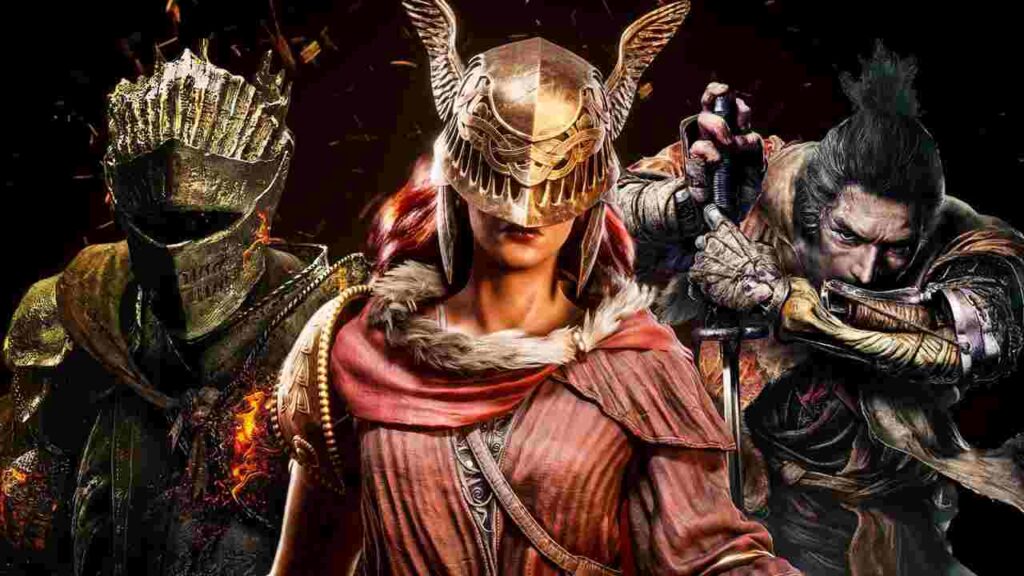
Now that we’ve broken down the meaning, origins, and defining traits of Soulslikes, it’s time to look at the games that shaped. And continue to shape the genre. These titles represent the best examples of Soulslike design, whether they come directly from FromSoftware or from studios inspired by their groundbreaking formula.
Below are some of the most iconic Soulslike games every fan should be familiar with.
Dark Souls Trilogy (1, 2, & 3)
The foundation of the entire genre. Known for brutal boss fights, interconnected maps, cryptic lore, and unforgiving yet fair design. Dark Souls established the blueprint other developers still follow today.
Bloodborne
A faster, more aggressive variant of Soulslike combat. Its Victorian-gothic aesthetic, terrifying enemies, and risk-reward rally system redefine how players approach timing and spacing.
Elden Ring
FromSoftware’s open-world masterpiece. Elden Ring blends traditional Soulslike mechanics with vast exploration, deep RPG systems, and dynamic boss encounters. A milestone for the genre.
Sekiro: Shadows Die Twice
A pure skill-based action experience with an emphasis on parrying, posture breaking, and duel-focused combat. Sekiro is one of the most demanding and rewarding titles in the Soulslike family.
Demon’s Souls (2009 & Remake)
The original spark of the Soulslike philosophy. Known for its distinct archstone world structure and eerie atmosphere, this game laid the groundwork for everything that followed.
Nioh & Nioh 2
Developed by Team Ninja, the Nioh series blends Soulslike combat with fast-paced Japanese weapon techniques, deep loot systems, and highly customizable builds. A must-play for hardcore fans.
Lies of P
A stylish Soulslike inspired by Dark Souls and Bloodborne with a unique twist on the Pinocchio mythos. Tight combat, creative boss fights, and strong world design make it a standout modern entry.
Lords of the Fallen (2014 & 2023)
Both versions attempt different interpretations of Soulslike combat. The 2023 reboot in particular pushes the genre with dual-realm exploration and visually stunning environments.
Remnant: From the Ashes & Remnant 2
A hybrid Soulslike-shooter with procedural elements, cooperative play, and tough bosses. It keeps Soulslike tension while offering a fresh twist through firearms and ranged combat.
Mortal Shell
A smaller but incredibly atmospheric Soulslike with a unique shell-switch mechanic. Its world and combat feel heavily inspired by classic Dark Souls design.
Code Vein
Often described as “Anime Dark Souls,” Code Vein delivers strong weapon variety, companion-based exploration, and a narrative-focused approach to the Soulslike formula.
Salt and Sanctuary / Salt and Sacrifice
2D Soulslikes with platforming elements, brutal challenge, and moody world design. Perfect for players who want the Souls experience in a side-scrolling format.
Blasphemous 1 & 2
Gorgeous pixel-art action games with punishing enemies, dark religious themes, and methodical combat. More Metroidvania than pure Soulslike, but heavily inspired nonetheless.
These titles span multiple substyles — 2D, open world, shooter hybrids, classic dungeon crawlers — proving that Soulslike isn’t a narrow definition. It’s a philosophy.
Read Also: 30 Best Action Games Like Tekken You Can’t Afford to Miss
Soulslike vs Soulsborne — What’s the Difference?
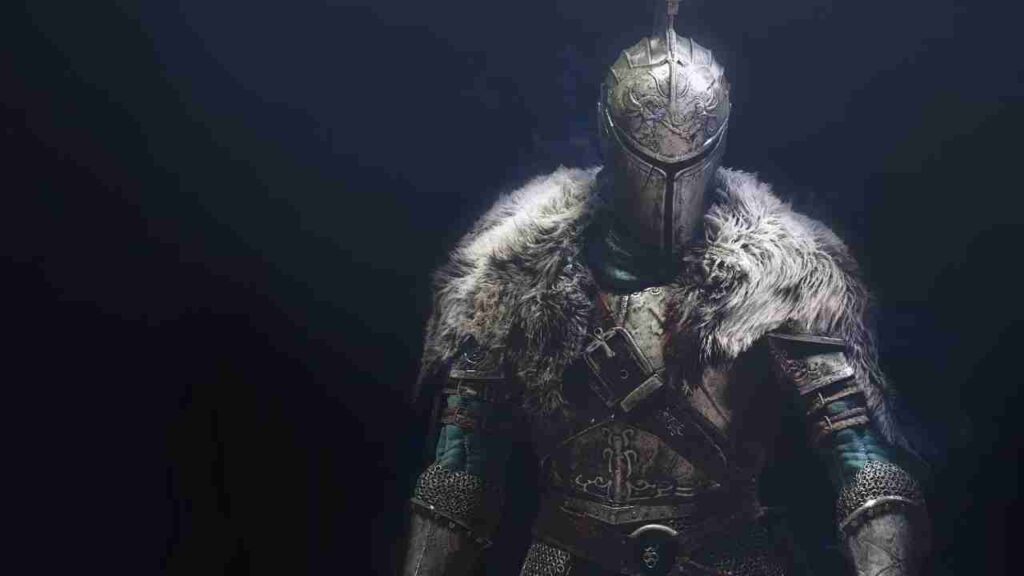
One of the most common questions new players ask is whether “Soulslike” and “Soulsborne” mean the same thing. Yes, they’re often used interchangeably, but the gaming community draws a clear line between the two. Hence, understanding the difference helps define how the genre evolved and why certain titles belong to one category but not the other.
Let’s break it down in the simplest, clearest way possible.
What Does Soulsborne Mean?
Soulsborne refers strictly to the action RPGs developed by FromSoftware under the direction of Hidetaka Miyazaki.
In other words:
- Demon’s Souls
- Dark Souls 1, 2, and 3
- Bloodborne
These specific games are what fans call “Soulsborne.”
The name combines Souls (Dark Souls, Demon’s Souls) + Bloodborne.
They share:
- precise, weighty melee combat
- dark atmospheric worlds
- cryptic storytelling
- deep exploration
- heavy focus on bosses
- the risk–reward death mechanic
Soulsborne is a closed group — only FromSoftware titles count.
What Does Soulslike Mean?
A Soulslike is any game — from any studio — that follows the core design philosophies established by the Soulsborne series.
This can include games like:
- Nioh
- Lies of P
- Lords of the Fallen
- Mortal Shell
- Remnant
- The Surge
- Salt and Sanctuary
- Blasphemous
- Hollow Knight (often debated, but heavily inspired)
Soulslike is open and expanding — any game inspired by the Souls formula can fit in.
Main Differences at a Glance
| Feature | Soulsborne | Soulslike |
|---|---|---|
| Developer | FromSoftware only | Any studio |
| Canon Genre | Souls-style action RPGs | Inspired by Souls formula |
| Tone | Dark fantasy, gothic, or eldritch | Any theme (sci-fi, anime, etc.) |
| Gameplay Structure | Classic Souls formula | Flexible adaptations |
| Community Definition | Strict | Broad |
Why the Distinction Matters
Having two separate terms helps players set expectations.
If a game is labeled Soulsborne, players expect FromSoftware’s signature world design, difficulty, and storytelling. Therefore, if it’s labeled Soulslike, the range is wider — it might follow the formula closely, or it might put a unique twist on it.
Simply put:
Soulsborne = The original blueprint
Soulslike = Everything inspired by that blueprint
Why Are Soulslike Games So Popular?
At first glance, Soulslike games look like the kind of experience people would avoid on purpose. They’re hard, cryptic, punishing, and absolutely unapologetic. Yet somehow, this genre has become one of the most beloved in modern gaming. Players around the world willingly sign up to be crushed by giant monsters, lose their hard-earned XP, and repeat boss fights dozens of times — and they love it. But why?
The answer lies in a powerful combination of psychology, design brilliance, and the unique emotional payoff Soulslike games deliver.
1. The Challenge Feels Earned — Not Forced
Soulslikes rarely rely on cheap difficulty. Enemy patterns are readable, bosses are learnable, and attacks are predictable once you understand the rhythm. When you die, it’s usually because of a mistake you made. And when you finally win? That victory hits harder than any flashy cutscene.
It’s not just difficult — it’s fair difficult. That’s why players keep coming back.
2. Mastery Feels Addictive
Soulslikes reward improvement, not gear grinding.
You become stronger by:
- learning enemy patterns
- perfecting your timing
- optimizing builds
- discovering shortcuts
- playing smarter, not louder
That incremental mastery releases real dopamine. It’s the same satisfaction as improving in fighting games, Soulslikes just deliver it in a more atmospheric, dramatic package.
3. The Worlds Feel Mysterious and Alive
Unlike many modern games that constantly shout instructions, Soulslikes whisper.
They let players:
- explore organically
- uncover secrets on their own
- connect environmental clues
- piece together lore without hand-holding
This creates a unique sense of mystery and discovery that most games never attempt.
4. Boss Fights Become Personal
Soulslike bosses are more than obstacles — they’re emotional milestones. Each one tests a different skill you’ve learned along the journey. Becoming stuck on a boss, learning its patterns, and finally defeating it creates a story you remember forever.
Every Soulslike fan has a “that boss almost broke me” moment.
5. A Strong Sense of Community
Soulslikes sparked one of the most passionate communities in gaming. Players share:
- builds
- strategies
- hidden lore
- shortcut locations
- boss tips
- challenge runs
Even the message system in FromSoftware games makes the world feel connected. Loss feels shared, and victories feel communal.
6. Exploration Feels Rewarding
Finding a hidden passage, a powerful weapon, or a shortcut that loops back to a bonfire feels incredible — because you earned it. Soulslikes reward curiosity and courage, not waypoint chasing.
7. The “You vs The Game” Mindset
Soulslikes allow players to feel something most modern games overlook:
the thrill of overcoming something genuinely difficult.
You’re not playing for convenience — you’re playing for triumph.
And that emotional high? It’s why people fall in love with the genre and never look back.
Conclusion
Soulslike games have become one of the most influential and respected genres in modern gaming. What began as a bold experiment from FromSoftware evolved into an entire movement built around challenge, mastery, and atmospheric worldbuilding. Understanding what is a Soulslike game isn’t just about identifying difficult combat — it’s about recognizing the unique combination of exploration, storytelling, progression, and emotional payoff that defines the genre.
These games encourage players to learn, adapt, and overcome. They reward patience, punish carelessness, and create unforgettable moments of triumph. Whether you’re rolling through dark catacombs, fighting towering bosses, or piecing together lore through environmental clues, Soulslike games deliver an experience unlike anything else.
More importantly, the genre continues to grow. New studios are experimenting with the formula, bringing fresh settings, mechanics, and themes while preserving the heart of what makes a Soulslike… well, Soulslike. From medieval worlds to sci-fi ruins, from 3D action to 2D indie interpretations, the genre’s core remains the same: challenge, discovery, and mastery.
If you’re new to the subgenre, consider this your invitation to dive in. And if you’re already a Soulslike veteran, you already know why these games leave such a lasting impact.
Prepare yourself, sharpen your weapon, and step into the fog. A true Soulslike adventure always awaits.
Frequently Aksed Questions (FAQs) Related to What is a Soulslike Game
A. A Soulslike game is an action RPG inspired by the design of the Dark Souls series. It features challenging combat, limited hand-holding, tough boss fights, and exploration-heavy world design. In simple terms, it’s a game where skill, patience, and learning from mistakes are key to progression.
A. While many action RPGs have combat and leveling systems, Soulslike games focus heavily on deliberate, stamina-based combat, punishing difficulty, recovery-on-death mechanics, and atmospheric storytelling. Additionally, these signature elements are what distinguish a game as Soulslike rather than a standard RPG.
A. The defining features of Soulslike games include tough but fair enemies, large interconnected worlds, minimalistic storytelling, precise combat timing, death-and-recovery systems, and memorable boss encounters. Therefore, these mechanics create a unique rhythm that fans instantly recognize.
A. Soulslikes are designed around learning. Enemies hit hard, mistakes are punished, and checkpoints are limited. But the difficulty is fair — patterns are predictable, mechanics are consistent, and every loss teaches you something. The challenge exists to make victory satisfying.
A. No. FromSoftware created the formula, but many studios now make Soulslikes. Popular non-FromSoftware titles include Nioh, Lies of P, Lords of the Fallen, Mortal Shell, and Remnant. These games follow the same core design philosophy while adding their own twists.
A. Elden Ring is both. It’s a Soulsborne because it’s made by FromSoftware and follows the same DNA as Dark Souls. Also, it’s a Soulslike because it uses the broader mechanics and systems that define the genre. In short, Elden Ring sits at the heart of both categories.