
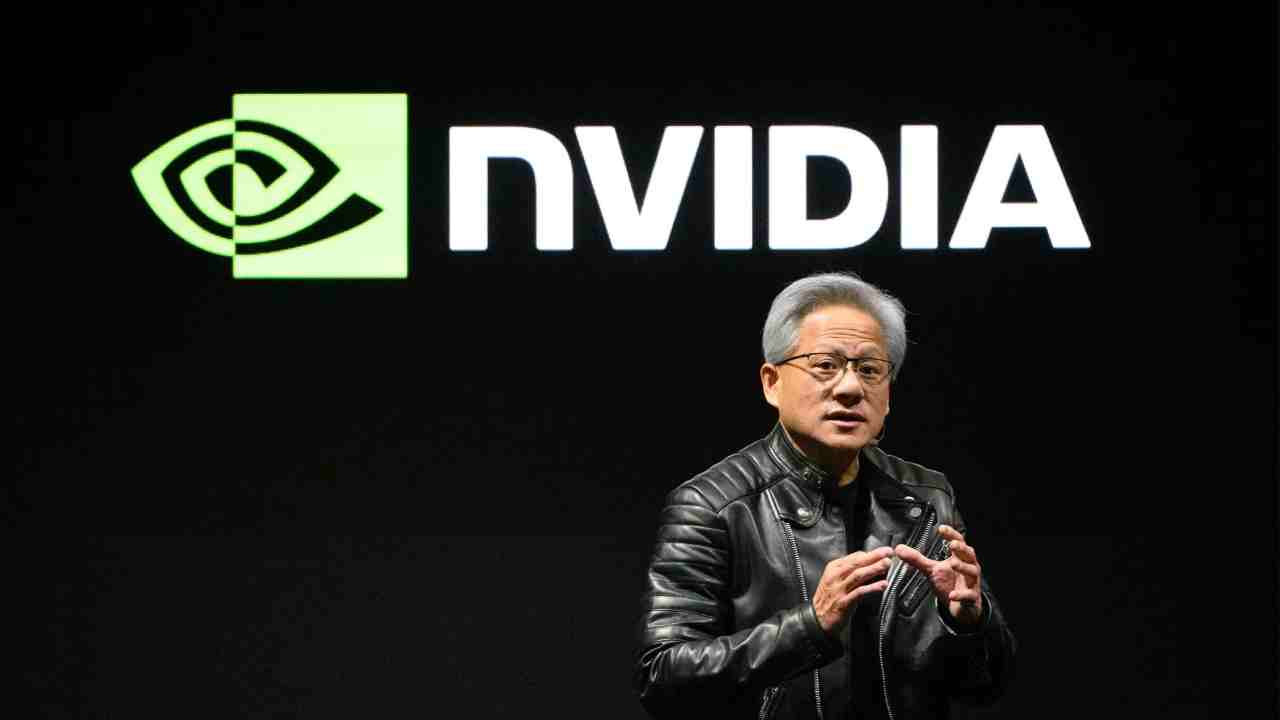

A new report is raising eyebrows across the PC gaming community. According to industry insiders, Nvidia’s RTX 5090 could carry a price tag as high as $5,000 by 2026. While Nvidia hasn’t confirmed anything yet, the estimate reflects growing concerns around GPU affordability and the future of high-end gaming hardware.
Here’s why this projection exists and what it could mean for gamers.
Report Claims RTX 5090 Prices Could Reach $5,000 by 2026
The report comes from sources familiar with GPU manufacturing trends and Nvidia’s long-term strategy. These sources suggest that Nvidia’s next flagship GPU will not target mainstream gamers. Instead, the RTX 5090 may sit firmly in the ultra-premium category.
Pricing near $5,000 would make it one of the most expensive consumer graphics cards ever released. Even current high-end GPUs already push past price points many gamers consider reasonable. This projection signals that Nvidia may be preparing for an even sharper divide between enthusiast hardware and accessible gaming options.
Read Also: 20 Best Action Games for Low-End PC That Prove Potato Gaming Still Exists
Why Nvidia’s Next Flagship GPU May Cost So Much
Several factors are driving the expected price increase.
First, manufacturing costs continue to rise. Advanced chip designs require smaller fabrication nodes, which are far more expensive to produce. On top of that, high-capacity VRAM has become costlier due to demand across multiple industries.
Second, Nvidia’s newest architectures focus heavily on performance gains for AI and compute workloads. These improvements don’t come cheap and often prioritize power over affordability.
Finally, global supply constraints still affect semiconductor production. Even small shortages can push prices up significantly when demand stays high.
How AI Demand Is Driving GPU Prices Higher
One of the biggest forces behind rising GPU prices is AI development. Nvidia’s GPUs are now essential tools for machine learning, data centers, and enterprise AI projects. These sectors generate far more revenue than consumer gaming.
As a result, Nvidia is increasingly prioritizing enterprise clients over gamers. When supply is limited, companies are willing to pay premium prices for AI-focused hardware. That pressure often trickles down into consumer products.
The RTX 5090 may reflect this shift, blending gaming performance with features designed for advanced compute tasks.
Read Also: 30 Best Games Like Need for Speed for Racing Fans
What This Means for PC Gamers
For gamers, the outlook feels concerning. A $5,000 flagship GPU places top-tier hardware out of reach for most players. Even enthusiasts may hesitate to spend that much on a single component.
This could push more gamers toward:
- Mid-range GPUs
- Older hardware generations
- Console gaming
- Cloud-based gaming services
It also raises questions about the long-term sustainability of PC gaming as a premium hobby.
Should Gamers Be Worried About Future GPU Pricing?
It’s important to remember that this is still a projection, not a confirmed price. Nvidia could adjust its strategy depending on market response and competition. AMD and Intel may also influence pricing through their next-generation GPUs.
However, the trend is clear. High-end GPU pricing is moving upward, and gamers may need to rethink upgrade cycles in the coming years.
Until Nvidia makes an official announcement, these reports remain speculative. Still, the conversation around affordability is unlikely to disappear anytime soon.