
If you’ve played games for even a few months, you’ve probably heard people talking about FPS titles — shooters, quick reflex battles, esports legends, and high-adrenaline action. But despite how common the genre is, many players still search for the first person shooter meaning to understand what truly defines an FPS game. And honestly? It’s a fair question. The term gets thrown around so much that the real definition sometimes gets lost behind flashy trailers and gun-filled gameplay clips.
First-person shooters are one of the biggest and most influential genres in gaming. From fast-paced online matches to cinematic story campaigns, FPS games dominate everything from esports tournaments to casual weekend gaming sessions. They’ve shaped gaming culture, influenced hardware evolution, and created some of the most iconic series ever made.
But what exactly makes an FPS an FPS? Is it just the camera angle? The shooting mechanics? The immersive view that puts you directly behind the weapon? Or is there something deeper — something that separates this genre from others like third-person shooters, tactical games, or action titles? That’s where things get interesting.
This guide breaks down everything: the meaning of first person shooter games, how the genre evolved, why players love it so much, and what separates FPS games from their third-person counterparts. We’ll explore all the defining features, the iconic titles that shaped the category, and why the FPS genre continues to dominate modern gaming even decades later.
So whether you’re a seasoned gamer looking to revisit FPS history or a beginner wanting to understand why shooters are so popular — this deep dive will give you everything you need. Grab your loadout, adjust your aim, and let’s break down the world of first-person shooters from the ground up.
Read Also: 30 Best Games Like Call of Duty (PC, Console, & Android Players)
First Person Shooter Meaning — What Exactly Is an FPS Game?
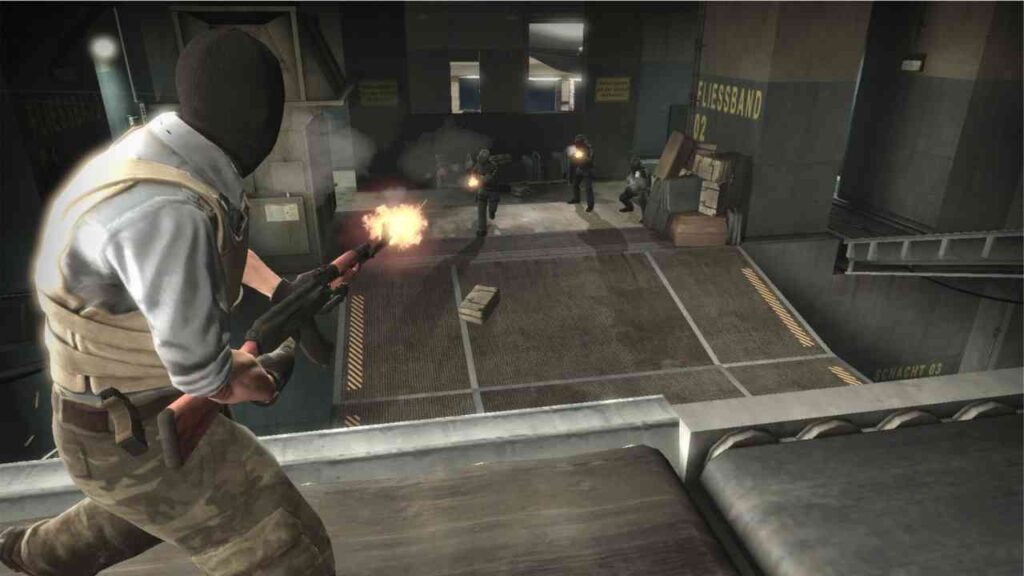
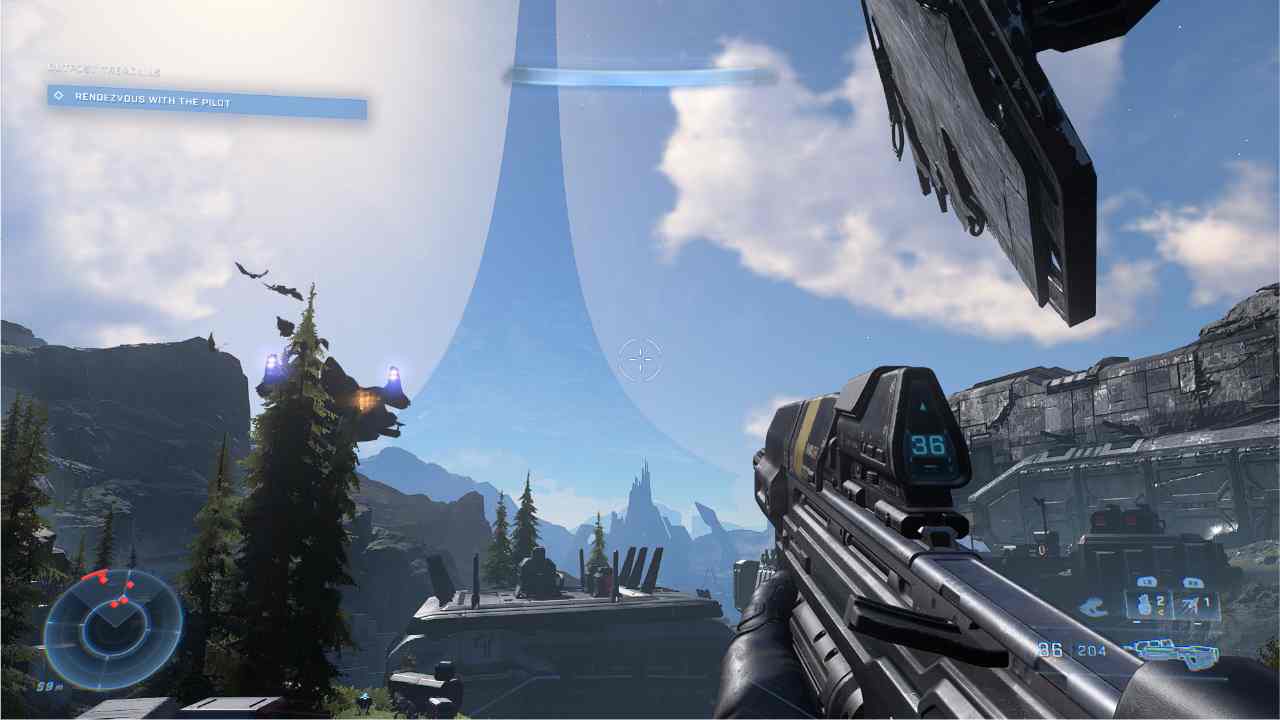
The first person shooter meaning in gaming is simple on the surface: it’s a game where you see through the eyes of the character you control, and most of the gameplay revolves around shooting and combat. But there’s a lot more to the definition than “you hold a gun and shoot things.”
At its core, the meaning of first person shooter games lies in immersion. FPS games put you directly into the character’s viewpoint — not watching from behind, not controlling from above — but seeing the world exactly as the character does. This first-person perspective makes every action feel more intense, from aiming down sights to sprinting through gunfire.
Another important part of fps games meaning is the focus on real-time aiming and precision. Unlike strategy or role-playing games, FPS titles require fast reflexes, good hand–eye coordination, and situational awareness. Whether you’re fighting AI enemies or players online, your skill directly affects your performance.
Most first-person shooters share common elements such as gunplay, movement mechanics, health systems, weapons variety, and interactive level design. But each FPS can feel completely different depending on its style — tactical, fast-paced, arena-based, military-focused, hero-driven, or narrative-heavy.
Examples like Call of Duty, Valorant, Halo, and Counter-Strike show how broad the FPS genre can be while still sharing the same fundamental principles: first-person view, combat-driven gameplay, and mechanical skill expression.
In short, an FPS game is defined by perspective, precision, and immersion. You’re not just controlling a character — you’re “inside” the character, experiencing the battlefield up close and personal.
Read Also: 30 Best Video Games Based on Movies (Ranked All-Time Classics)
Origins & Evolution of First-Person Shooters

To understand the first person shooter meaning today, you need to look back at where the genre began — and wow, the journey is wild. FPS games didn’t start with massive franchises or esports arenas. They began as simple experiments created by small teams pushing the limits of early computer technology.
The roots of the FPS genre can be traced back to Wolfenstein 3D (1992), often called the grandfather of first-person shooters. It introduced the idea of navigating a 3D-like world from the protagonist’s viewpoint. But the moment FPS games truly exploded into mainstream culture was with DOOM (1993). DOOM wasn’t just a game — it was a revolution. Its fast combat, maze-like levels, and modding support laid the foundation for every FPS that came after.
The late ’90s brought the age of Quake, Duke Nukem 3D, and Half-Life, pushing storytelling, physics, and 3D rendering into new dimensions. These titles showed that FPS games could be cinematic, immersive, and mechanically deep.
Then came the era that reshaped competitive gaming forever: Counter-Strike (1999). What started as a Half-Life mod grew into one of the biggest competitive FPS titles in history. Around the same time, Halo: Combat Evolved (2001) revolutionized FPS gameplay on consoles, proving shooters could dominate outside of PCs as well.
The mid-2000s to mid-2010s saw FPS games evolve into blockbusters. Call of Duty 4: Modern Warfare, Battlefield 3, and Far Cry introduced cinematic campaigns, realistic gun physics, and massive multiplayer modes. Shooters became the most mainstream gaming genre on the planet.
Today, FPS games span everything from tactical shooters like Rainbow Six Siege, to hero shooters like Overwatch, to extraction shooters like Escape from Tarkov, and competitive esports giants like Valorant and Apex Legends. The genre continues to grow thanks to better graphics, smarter AI, improved engines, and online play.
From pixelated corridors to photorealistic battlefields, FPS games have evolved massively — but their core remains the same: immersion, precision, and adrenaline.
Core Features That Define an FPS Game
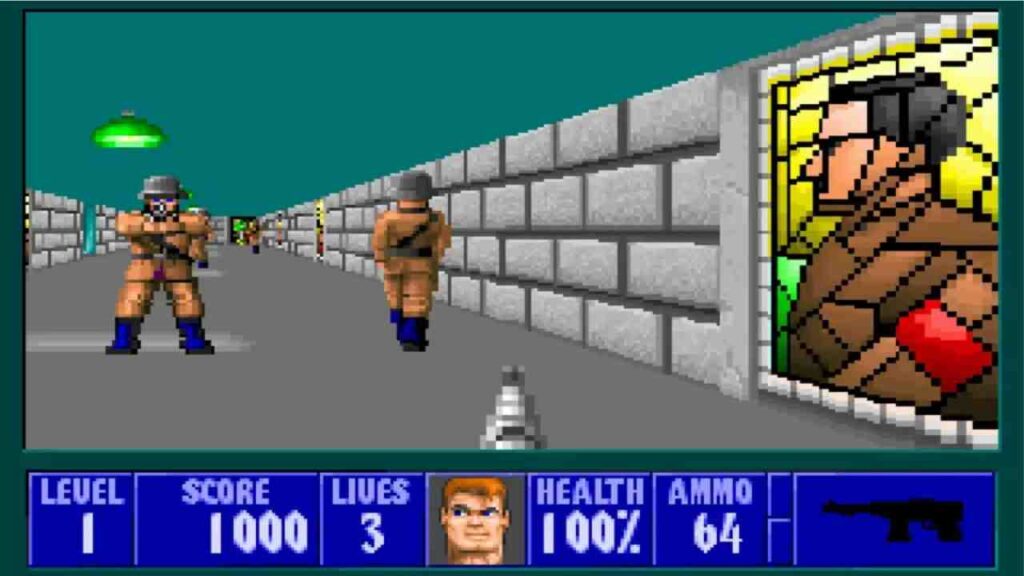
Every genre in gaming has its identity, and for shooters, the defining traits are clear. To fully understand the first person shooter meaning, it helps to explore the core features that shape FPS gameplay. These elements are what make the genre instantly recognizable — whether you’re playing a fast-paced arena shooter or a tactical military sim.
1. First-Person Camera & Real-Time View
The defining characteristic of any FPS game is the perspective. You view the world directly through the eyes of your character. This camera angle adds immersion, making every shot, reload, sprint, and jump feel personal. The closer connection to the battlefield is what separates FPS games from other genres.
2. Gunplay Mechanics & Combat Design
The heart of any shooter is its gunplay. FPS titles focus heavily on how weapons feel, fire, recoil, and respond. Whether it’s a sniper rifle, SMG, assault rifle, or futuristic plasma weapon, the feedback loop must feel satisfying. Smooth aiming, crisp hit markers, and precise weapon behavior all define a strong FPS experience.
3 Movement, Aiming, and Player Skill Expression
FPS games reward skill. Your ability to aim, strafe, slide, jump, and react determines success. Some shooters focus on quick reflexes (like Doom Eternal or Quake), while others demand tactical precision (like Valorant or Rainbow Six Siege). The mix of mechanics creates depth and keeps players improving over time.
4. Immersive Level Design & Environments
From tight hallways to open battle arenas, level design plays a massive role in FPS gameplay. Good maps balance cover, sightlines, verticality, and choke points. Whether it’s multiplayer maps like Dust 2 or single-player environments like Rapture from BioShock, environments define how players approach combat.
5. Weapon Variety, Loadouts, and Progression
Many FPS games let players customize their weapons, attachments, perks, and equipment. Loadout systems add strategy, allowing players to choose playstyles — stealthy, aggressive, long-range, tactical, explosive, or support-oriented. Progression systems keep players engaged as they unlock new gear.
6. Multiplayer Modes and Competitive Play
FPS games often thrive on multiplayer. Team deathmatch, domination, search-and-destroy, objective-based modes, and ranked systems make shooters highly competitive. Games like Call of Duty, Apex Legends, and CS:GO dominate esports, proving the genre’s high skill ceiling and competitive depth.
These features together form the backbone of what defines an FPS game. The combination of immersion, mechanical skill, and fast-paced action is why the genre remains one of the most engaging and replayable in gaming.
Read Also: 30 Best Games Like Need For Speed
Difference Between First Person Shooter and Third Person Shooter Games
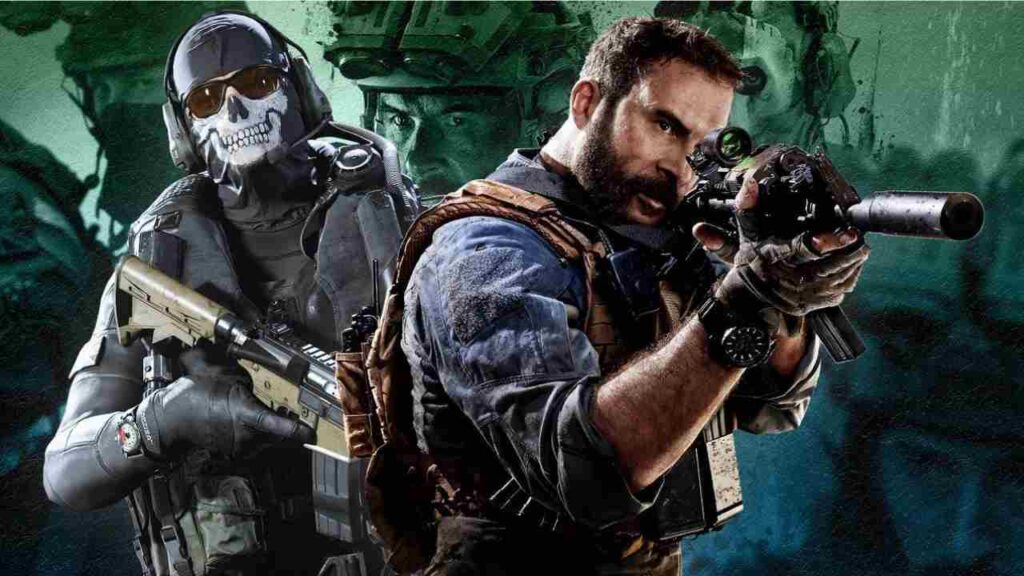
Understanding the difference between first person shooter and third person shooter games is essential, especially for new players who often confuse the two. While both genres involve action and shooting mechanics, the way you experience the game world is entirely different.
At the core, the distinction lies in camera perspective:
First-Person Shooter (FPS)
You see the game world through the character’s eyes.
The camera is positioned at the character’s viewpoint, which makes aiming, shooting, and exploring feel more personal and immersive.
Examples:
- Call of Duty
- Counter-Strike
- Halo
- Valorant
FPS games emphasize immersion and precise aiming. Every shot feels like you are pulling the trigger.
Third-Person Shooter (TPS)
You see the character from behind or slightly above, giving a full view of their body and surroundings.
Examples:
- Gears of War
- Fortnite
- The Division
- Uncharted 4
TPS games provide better awareness of the environment and character animations but sacrifice some of the realism and intensity FPS games deliver.
Gameplay Differences
1. Immersion Level
FPS → Higher immersion, you “feel” present in the world.
TPS → Better visibility, but less personal connection.
2. Aiming & Precision
FPS → Demands precise aim and reflexes.
TPS → Often includes aim assist or looser aiming mechanics.
3. Movement & Cover Systems
FPS → Focused on strafing, peeking, and aiming down sights.
TPS → Uses cover systems, rolling, dodging, and third-person camera tricks.
4. Field of View (FOV)
FPS → Narrow FOV, realistic vision, greater tension.
TPS → Wider visibility, easier enemy tracking.
5. Competitive Feel
FPS → Dominates esports and competitive leagues because of skill expression.
TPS → Popular in casual multiplayer and cinematic action games.
In summary, FPS games prioritize immersion and precision, while TPS games focus on situational awareness and fluid movement. Both genres offer different types of experiences, but FPS titles usually deliver a more intense, adrenaline-packed feel.
Read Also: 20 Best Underrated Sports Video Games Better Than You Remember
Sub-Genres of FPS Games
One of the best parts about understanding the first person shooter meaning is realizing how diverse the FPS category actually is. Modern shooters aren’t limited to simple run-and-gun gameplay — the genre has evolved into several sub-genres, each offering its own flavor, pacing, and mechanics.
Let’s break down the most popular FPS sub-genres every gamer should know.
Tactical Shooters (Rainbow Six, Valorant)
Tactical shooters prioritize strategy, communication, and precision over raw speed. Every movement matters, every sound cue counts, and teamwork often decides the outcome. You can’t simply rush in — you must coordinate, hold angles, and play smart.
Examples: Valorant, Rainbow Six Siege, Insurgency: Sandstorm
Key traits:
- Slow, methodical pacing
- Tight angles and utility usage
- High punishment for mistakes
- Strong emphasis on communication
Arena Shooters (Quake, Unreal Tournament)
Arena shooters are the old-school kings of speed. These games feature frantic movement, rocket jumps, high-skill aiming, and fast respawns. They’re pure mechanical showcases that reward raw talent and reflex mastery.
Examples: Quake Champions, Unreal Tournament, Diabotical
Key traits:
- Lightning-fast movement
- Fierce 1v1 and FFA battles
- Weapon pickups spread across the map
- Extremely high skill ceiling
Military Shooters (Call of Duty, Battlefield)
These FPS games aim for grounded, realistic, or semi-realistic warfare. Whether it’s close-quarters infantry battles or massive open-field combat, military shooters dominate mainstream gaming and esports.
Examples: Call of Duty, Battlefield, Medal of Honor
Key traits:
- Realistic weapons
- Modern warfare settings
- Team-based large-scale combat
- Fast-paced action mixed with strategy
Extraction Shooters (Escape from Tarkov, DMZ)
Extraction shooters are intense, risk-based FPS games where players must infiltrate maps, loot items, fight enemies, and extract before dying. If you die, you lose everything you collected — the stakes are high.
Examples: Escape from Tarkov, Warzone DMZ, The Cycle: Frontier
Key traits:
- High tension and high reward
- Full-loot survival structure
- Realistic damage and sound
- Inventory and resource management
Hero Shooters (Overwatch, Apex Legends)
Hero shooters add unique characters with abilities on top of traditional FPS mechanics. These abilities shape strategies, teamwork, and match outcomes.
Examples: Overwatch 2, Apex Legends, Paladins
Key traits:
- Characters with skills + ultimates
- Team compositions matter
- Fast, dynamic matches
- Colorful visuals and unique movement mechanics
Horror FPS (F.E.A.R., Metro)
Horror FPS games mix shooting with terrifying atmospheres, psychological tension, and survival elements. Perfect for players who want fear with their firepower.
Examples: F.E.A.R., Metro Exodus, Amnesia: The Bunker
Key traits:
- Dark environments and eerie pacing
- Limited ammo or resources
- Strong storytelling and tension
- Unpredictable enemy encounters
These sub-genres prove that FPS games aren’t just one thing — they’re an entire universe of styles and experiences. Whether you love tactical precision, chaotic movement, or cinematic storytelling, there’s an FPS for everyone.
Read Also: Why Minecraft is Still So Popular? The Secret Sauce
Most Popular FPS Games of All Time
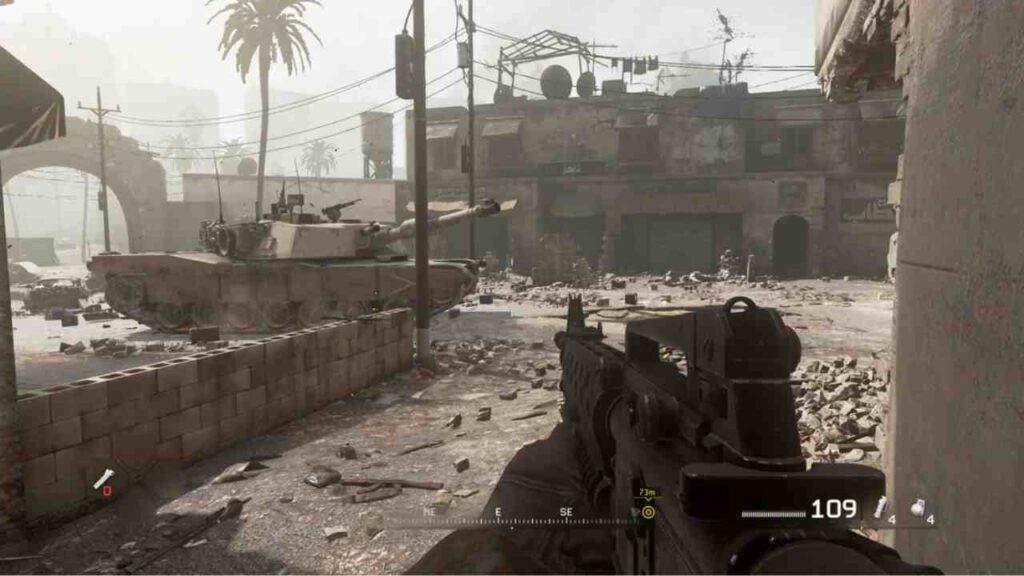
To fully understand the first person shooter meaning, it helps to look at the games that shaped the genre. These FPS titles didn’t just become popular — they defined eras, inspired new mechanics, and built massive communities that still thrive today.
Below are the most iconic and influential FPS games ever made.
1. Call of Duty Series
The Call of Duty franchise is easily the biggest and most mainstream FPS series in the world. Starting in 2003 with a WWII setting, it evolved into a modern warfare powerhouse with cinematic campaigns, addictive multiplayer, and annual releases that dominate sales charts. What makes Call of Duty stand out is its fast-paced gameplay, tight gun mechanics, and an online ecosystem that never stops evolving.
Games like Modern Warfare 2, Black Ops 2, and Warzone helped define competitive FPS gaming on both consoles and PC. The series keeps reinventing itself with new weapons, movement systems, and seasonal updates, ensuring players always have something fresh to play. Whether you love traditional team deathmatch or the massive scale of battle royale, Call of Duty has something for every shooter fan.
2. Counter-Strike: Global Offensive / Counter-Strike 2
No FPS game has contributed more to esports than Counter-Strike. Starting as a Half-Life mod, the series quickly grew into the most respected tactical shooter in the world. CS:GO dominated esports for a decade, and Counter-Strike 2 now carries that legacy into the new era.
These games emphasize precision, teamwork, and disciplined gameplay. Every shot matters. Recoil patterns must be mastered. Sound cues determine survival. Maps like Dust 2, Inferno, and Mirage are legendary within the community. Counter-Strike’s simplicity is its greatest strength — it’s pure skill and strategy without unnecessary gimmicks. For many competitive players, CS isn’t just a game; it’s the definitive FPS experience.
3. Halo Series
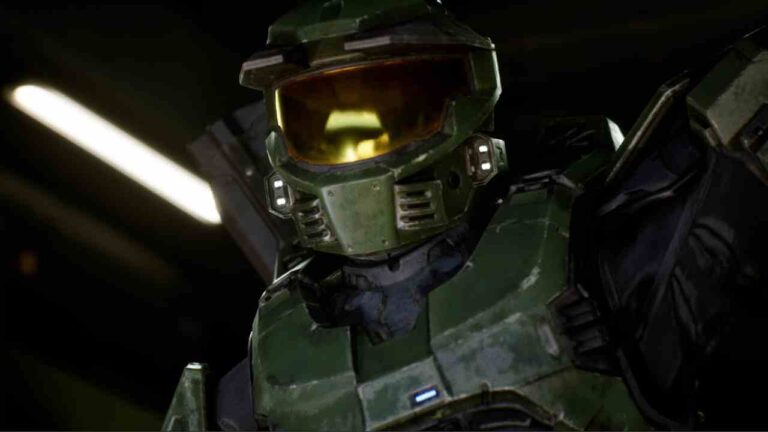
When Halo: Combat Evolved launched on the original Xbox, it changed console gaming forever. The series introduced tighter controls, regenerating shields, epic sci-fi campaigns, and AI smarter than most shooters of its time. Halo 2 pioneered online console multiplayer, while Halo 3 became a cultural phenomenon.
With its iconic weapons, vehicles, and arena-style combat, Halo created its own identity within the FPS world. Modes like Slayer, SWAT, and Big Team Battle are staples of competitive play. Even today, Halo Infinite continues the franchise’s legacy with polished gunplay and a modernized free-to-play multiplayer experience.
4. Doom Franchise
If FPS games had a father, it would be DOOM. The 1993 classic defined the genre with fast movement, labyrinth-style levels, and brutal, satisfying combat. Its influence is so massive that entire gaming generations still refer to classic shooters as “Doom-likes.”
Modern entries like DOOM (2016) and DOOM Eternal revived the franchise with modern graphics and unmatched speed. These games are pure adrenaline, pushing players to move aggressively, swap weapons rapidly, and fight in choreographed chaos. DOOM proves that no matter how much the FPS genre evolves, raw, fast, skill-based gameplay never goes out of style.
5. Battlefield Series
While Call of Duty focuses on fast-paced infantry combat, Battlefield shines in large-scale warfare. Massive maps, destructible environments, tanks, aircraft, and team-based strategies make every match feel like a cinematic war film.
Titles like Battlefield 3, Bad Company 2, and Battlefield 1 are beloved for their atmosphere and scale. Instead of tight corridors, Battlefield gives players open fields, collapsing buildings, and coordinated squad play. It’s chaotic, immersive, and demands teamwork — making it one of the most unique FPS experiences around.
6. Apex Legends
When Apex Legends launched in 2019, it shocked the gaming world by dropping out of nowhere and instantly becoming one of the most polished battle royale FPS games ever made. Blending fast Titanfall-style movement with hero abilities, Apex created a hybrid shooter that rewards creativity, aim, and team coordination.
Its ping system revolutionized communication in online games, becoming an industry standard overnight. The gunplay is crisp and satisfying, the movement is incredibly fluid, and each Legend offers unique abilities that change how teams strategize. With constant updates, rotating game modes, high-skill ceiling movement tech, and esports competitions, Apex remains one of the most influential FPS games of the modern era.
7. Overwatch
Overwatch reshaped what hero shooters could be. Combining FPS gameplay with MOBA-style character abilities, it introduced a roster of colorful heroes with unique weapons, ultimates, and playstyles. Each match feels dynamic, chaotic, and strategic thanks to team compositions and role-based gameplay.
What made Overwatch so impactful was how welcoming it felt. You didn’t need insane aim to contribute — you could heal, shield, disrupt, or support your team with abilities. This accessibility helped Overwatch explode into one of the biggest esports scenes of its time. Even today, Overwatch 2 continues the legacy with reworked heroes, new maps, and tighter competitive play.
8. Rainbow Six Siege
Rainbow Six Siege is the definition of a tactical FPS. It’s slow, methodical, and incredibly deep. One wrong move can cost an entire round. The game revolves around destructible environments, strategic breaching, gadgets, and operators with unique abilities.
What makes Siege stand out is its insane level of depth. You can break walls, reinforce doors, place gadgets, set traps, and create clever ambushes. No two matches play the same. Siege rewards map knowledge, communication, sound reading, and coordinated team play more than any other FPS. Over the years, constant updates and new operators have transformed it into one of the most complex and competitive shooters ever made.
9. Valorant
Riot Games combined Counter-Strike’s precision with Overwatch-style abilities to create Valorant — a tactical shooter that quickly became an esports giant. Matches revolve around tight angles, recoil control, sound cues, and utility usage. Every shot matters, and every ability has tactical significance.
Valorant’s biggest strength is its predictability and balance. Weapons behave consistently, maps are well-designed, and abilities add strategy without overpowering pure aim. Riot’s strong anti-cheat system and esports support turned Valorant into one of the most trusted and skill-focused FPS titles today. If competitive depth defines the first person shooter meaning, Valorant is a masterclass example.
10. Titanfall 2
Titanfall 2 is often called the most underrated FPS of all time. It blends fluid parkour movement with high-speed shooting and massive mech combat, creating some of the most satisfying gameplay in the FPS genre. Wall-running, grappling, sliding, double jumps — Titanfall 2’s movement system is unmatched.
Its campaign is widely considered one of the best in FPS history, especially the mission “Effect and Cause.” Multiplayer is chaotic, fun, and incredibly skill-based, offering a blend of pilot duels and Titan battles. Although it didn’t receive the attention it deserved at launch, its legacy continues through Apex Legends, which inherits much of the movement DNA.
Read Also: 30 Best Games Like Tekken Every Fighting Fan Should Try Once
Why Are FPS Games So Popular?
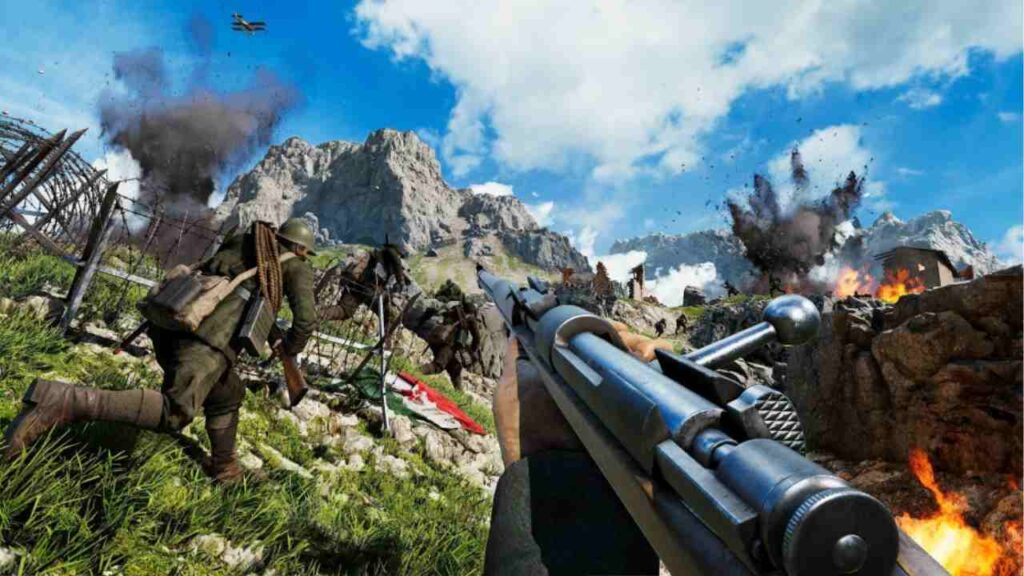
Even after decades of evolution, first-person shooters continue to dominate charts, esports events, and gaming communities. To understand the full first person shooter meaning, you also need to know why players can’t stop playing FPS titles. The reason is simple: FPS games hit the sweet spot between immersion, adrenaline, and skill-based design — a combination very few genres can match.
1. High Immersion You Can’t Get Elsewhere
FPS games put you directly inside the action. You’re not watching the character — you are the character. Every reload, jump, sprint, and gunshot feels personal. This makes FPS games incredibly addictive because players experience the world as if they’re actually in the battlefield.
2. Fast-Paced, High-Adrenaline Gameplay
The immediate feedback — shooting, movement, hit markers, sound cues — makes FPS games deeply satisfying. Whether you’re clutching a 1v3 in Valorant or shredding demons in DOOM, the thrill is unmatched.
Adrenaline = engagement.
Engagement = replayability.
Replayability = popularity.
3. Strong Competitive Appeal
FPS games are built around skill expression. Your performance improves as you improve:
- faster aim
- sharper reflexes
- better positioning
- smarter decision-making
This makes shooters incredibly rewarding. And when you combine that with ranked modes and esports, the competitive scene keeps players hooked for years.
4. Social and Team-Based Fun
FPS multiplayer is basically the default hangout spot for modern gamers. Whether it’s late-night Warzone matches with friends or competitive Siege squads, FPS games create social connections that keep people coming back daily.
5. Constant Updates and Evolving Meta
Most FPS games receive frequent:
- new maps
- new guns
- seasonal events
- balance patches
- battle passes
This steady flow of fresh content keeps the genre alive and constantly evolving.
6. Wide Variety of Sub-Genres
From tactical shooters to hero shooters to arena classics, FPS is not one style — it’s many. This variety ensures there’s an FPS game for every type of player, from hardcore competitors to casual weekend players.
7. Accessible Yet Deep
FPS games are easy to pick up but hard to master. Someone can play casually and have fun, while pros grind to reach insane levels of precision. This dual nature broadens the audience massively.
FPS games stay popular because they offer the perfect blend of excitement, depth, skill, and social experience — all wrapped in immersive first-person perspective. Few genres have this level of influence or staying power.
Future of FPS Games — What’s Next?
The FPS genre has come a long way from pixelated corridors and simple gun sprites, but the evolution is far from over. If anything, the future of shooters looks more exciting than ever. To fully understand the long-term first person shooter meaning, you need to look ahead at where the genre is heading — and the innovations shaping its next chapter.
1. VR and Mixed-Reality Shooter Experiences
VR shooters like Half-Life: Alyx, Boneworks, and Pavlov show that immersion is about to hit a completely new level. Instead of simply holding a mouse or controller, players physically:
- Reload guns
- Peek around corners
- Aim manually
- Interact with the environment
The future will merge FPS mechanics with realistic movements, making gameplay feel almost life-like.
2. Hyper-Realistic Visuals and Photogrammetry
Engines like Unreal Engine 5 and advanced lighting technologies (Lumen, Nanite) will push FPS visuals closer to film-level realism. Soon, shooters will feature:
- ultra-detailed environments
- dynamic lighting
- real-time destruction
- realistic character animations
Games like Bodycam and Unrecord are early signs of this visual revolution.
3. Smarter AI Enemies and Teammates
Next-gen AI will make enemies unpredictable and strategic. Instead of simple run-and-shoot patterns, AI could:
- flank intelligently
- respond dynamically
- use cover realistically
- coordinate attacks
- adapt to the player’s style
This will transform single-player FPS campaigns into richer, smarter experiences.
4. More Tactical and Extraction-Based FPS Games
Extraction shooters like Escape from Tarkov and DMZ have proven that players love tension-filled, high-stakes experiences. Expect:
- deeper looting systems
- realistic ballistics
- hardcore survival mechanics
- session-based raids
This sub-genre may become one of the biggest branches of FPS gaming.
5. Live-Service and Seasonal FPS Evolution
Most modern shooters—Apex, Valorant, Warzone, Overwatch 2—already follow live-service models. The future will bring:
- more seasonal updates
- evolving storylines
- rotating modes
- frequent character/gun balancing
This constant progression keeps FPS games alive for years.
6. Cross-Platform Competitive Ecosystems
Expect a future where:
- console and PC metas merge
- unified esports leagues form
- cross-play becomes the standard
- cross-progression is universal
This will expand player bases and make competitive FPS gaming more connected than ever.
7. Player-Driven Content & Modding Revival
FPS modding birthed giants like Counter-Strike and Team Fortress. As engines get more accessible, we’ll see:
- community maps
- custom game modes
- fan-made operators or gear
- player-driven events
The next big FPS phenomenon might again come from modders.
FPS games will continue to evolve with technology, but their core appeal — immersion, skill, and action — will always remain. The future of shooters is brighter, faster, more innovative, and more immersive than ever.
Read Also: 20 Best Action Games for Low-End PC That Prove Potato Game Still Rocks
Conclusion
Now that you understand the full first person shooter meaning, it’s clear why FPS games dominate the gaming world — and why they’ve stayed on top for decades. From the early days of DOOM and Wolfenstein to modern giants like Apex Legends, Valorant, and Call of Duty, the genre has evolved into one of the most diverse, immersive, and adrenaline-packed spaces in gaming.
FPS games succeed because they’re simple to learn but endlessly deep. The first-person camera pulls you right into the action, the gunplay feels immediately satisfying, and the skill expression keeps players improving for years. Add to that the variety of sub-genres — tactical shooters, hero shooters, arena classics, and extraction-based thrillers — and it’s no surprise the FPS world continues to grow.
As developers push into VR, photorealistic engines, and smarter AI, the future looks even more exciting. But no matter how advanced shooters become, the core remains the same: immersion, precision, and intensity. That’s the real heart of the first-person shooter meaning — a gaming experience that places you directly in the battlefield and challenges your skill like no other genre.
Whether you’re a beginner discovering FPS games for the first time or a veteran with thousands of hours logged, one thing is certain: the FPS genre isn’t just important to gaming — it is gaming for millions of players worldwide.
Frequently Asked Questions (FAQs) Related to First Person Shooter Meaning and Games
A. The first person shooter meaning refers to a video game played from the character’s viewpoint, where most gameplay revolves around shooting, aiming, and combat. You see the world through the character’s eyes, making the action feel immersive and personal.
A. The main difference between first person shooter and third person shooter games is camera perspective. FPS games use a first-person view, placing the camera inside the character’s eyes, while TPS games show the character from behind or above. FPS offers more immersion; TPS gives better visibility and character awareness.
A. In gaming, FPS means “First Person Shooter.” It describes a genre where players engage in combat from a first-person perspective. It also sometimes refers to “frames per second,” depending on the context.
Some of the most popular FPS games today include Call of Duty, Counter-Strike 2, Valorant, Apex Legends, Rainbow Six Siege, and Halo Infinite. These titles dominate esports and online multiplayer communities.
A. Gamers enjoy FPS titles because they offer high immersion, fast-paced action, strong competitive gameplay, and a rewarding skill curve. The viewpoint makes every fight feel intense and personal.
A. They can be at first, since FPS games require accuracy, reflexes, and good movement. But with practice — and beginner-friendly titles like Call of Duty campaign or Overwatch — new players improve quickly.