
If there’s one gaming term people love using but rarely define correctly, it’s “indie games.” Everyone talks about them, praises them, compares them to AAA titles, and claims they’re the “future of gaming.” But when you ask someone to explain the actual definition of indie games, the answers suddenly get blurry. Are indie games defined by budget? By team size? By creative freedom? Or is it just anything that looks artsy and has pixel graphics? The truth is… it’s not that simple — and that’s exactly why this topic deserves a proper breakdown.
Indie games have become one of the most influential parts of modern gaming. They’ve given us masterpieces made by tiny teams, breakout hits from solo developers, and genre-defining titles that sometimes outperform multi-million-dollar productions. Yet many players still misunderstand what truly makes a game “indie.” It’s not just the price tag, and it’s not just the art style. It’s a combination of independence, creativity, and design philosophy that separates them from traditional AAA formulas.
This guide breaks down everything — the meaning of indie games, why they exist, how they evolved, and what core traits actually define them. We’ll explore how indie studios operate, why they often take bigger creative risks, and how they managed to reshape the gaming landscape with passion-driven ideas instead of massive budgets. And of course, we’ll highlight some of the best indie games that shaped the genre and continue to inspire new developers every year.
So whether you’re a new gamer, an indie fan, or someone who just wants to finally understand what “indie” really means without the confusion, this article has you covered. Grab a drink, sit back, and let’s break it all down from the ground up.
Read Also: Why Minecraft is So Popular? The Secret Behind Its Timeless Success
What Is the Meaning & True Definition of Indie Games in Modern Gaming?
The meaning of indie games has evolved dramatically over the past two decades. In the early 2000s, indie titles were mostly tiny PC experiments or simple Flash games made by solo developers. Today, the indie scene is a massive part of the gaming industry, producing some of the most innovative and critically acclaimed titles ever made.
So, what is the meaning of indie games now?
In modern gaming, “indie” represents creative freedom, innovation, and identity.
Indie developers aren’t restricted by big-budget expectations. They can take risks—emotional stories, strange mechanics, unique art styles, or gameplay ideas so bold that major publishers would never approve them. Instead of chasing the biggest commercial trends, indie creators often focus on personal expression or experimental concepts. That’s why indie games feel fresh: they aren’t formula-driven; they’re passion-driven.
Today’s indie studios also benefit from digital stores like Steam, Itch.io, Epic Games Store, and console marketplaces, which allow small teams to reach global audiences without needing a traditional publisher. This shift has allowed indie developers to compete on visibility, even if they can’t compete on budget.
Another important part of the meaning of indie games is community connection. Indie titles often grow through word of mouth, fan enthusiasm, and supportive players who share content, post reviews, and help build hype. In many ways, indie games feel more personal — not just in how they’re made, but in how they’re supported.
In short, modern indie games represent freedom, experimentation, and originality in a gaming landscape often dominated by sequels, remakes, and safe AAA formulas. They’re the beating heart of creativity in the industry.
Read Also: What’s A Soulslike Game? Complete Guide to Genre’s Meaning & Features
Key Features That Define Indie Games
While the definition of indie games is rooted in independence, the genre also has distinct traits that set these titles apart from traditional AAA productions. These characteristics don’t apply to every single indie project, but they reflect the design philosophy and creative approach that most indie games share. Below are the core features that truly define what makes a game “indie.”
Small or Independent Development Teams
Indie games usually come from small teams — sometimes five people, sometimes one. Instead of massive studio departments for art, animation, sound, writing, marketing, and QA, indie teams often wear multiple hats. This smaller structure leads to more direct, unified creative decisions and faster experimentation.
Creative Freedom & Experimental Ideas
One of the strongest traits of indie games is their willingness to break the rules. Without publisher restrictions, indie developers can explore unconventional mechanics, emotional themes, or strange ideas that AAA studios might view as “too risky.” This creative freedom results in some of gaming’s most original experiences.
Lower Budgets but Higher Innovation
Indie games rarely have large budgets, but they compensate with clever design. Instead of relying on cinematic cutscenes or ultra-realistic graphics, indie developers focus on tight gameplay, smart systems, and memorable storytelling. Many indie hits survive — even thrive — because of innovation, not production scale.
Unique Art Styles and Storytelling
Since indie creators don’t need to match AAA realism, they often embrace distinctive art styles:
- hand-drawn animation
- pixel art
- minimalist designs
- surreal environments
- stylized characters
This visual creativity is one of the biggest reasons indie games stand out instantly. Storytelling also tends to be more personal, emotional, or experimental, touching themes that big studios rarely approach.
No Major Publisher Control
The absence of a major publisher is one of the clearest indicators of an indie game. Without corporate oversight, developers control every aspect of their project — mechanics, pacing, art direction, narrative tone, and release schedule. This independence shapes the spirit of the entire game.
Community-Driven Marketing and Word of Mouth
Unlike AAA studios with million-dollar marketing budgets, indie developers rely on:
- Steam wishlists
- Reddit communities
- social media sharing
- content creators
- player reviews
This grassroots marketing creates a deeper bond between developers and players. Many indie successes — like Stardew Valley and Undertale — became global hits through pure community love.
Read Also: 30 Best Video Games Best of Movies(Ranked All-Time Classics)
Brief History of Indie Games
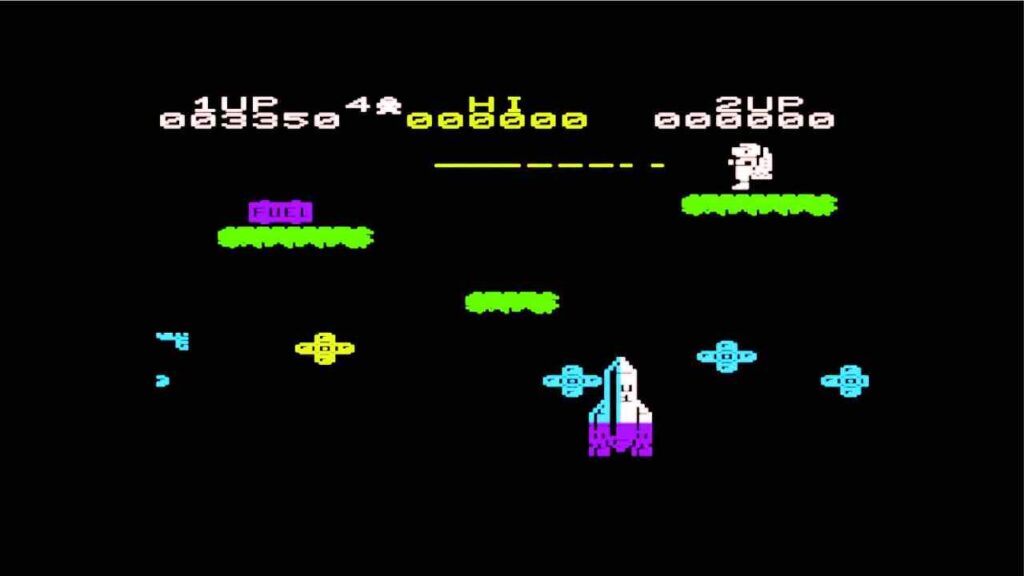
The rise of indie games didn’t happen overnight. It’s the result of years of evolution, shifting technology, and changing player expectations. Understanding how indie gaming grew helps explain why the definition of indie games is so different today compared to early gaming eras.
In the late 1990s and early 2000s, indie development lived mostly in the shadows. Most games required publishers to reach players, and without big funding, small teams struggled to survive. Indie creators worked on PC shareware, fan-made projects, and small hobby releases. Titles like Cave Story and early Flash games hinted at the potential, but the industry still didn’t take indie development seriously.
Everything changed with the rise of digital distribution. Steam began opening doors for smaller creators, allowing developers to release games without needing traditional retail partners. Platforms such as Xbox Live Arcade and later PlayStation Store and Nintendo eShop made indie games accessible on consoles for the first time.
By the early 2010s, a massive shift took place: players started seeking fresh ideas rather than just large-budget blockbusters. Games like Braid, Super Meat Boy, Limbo, and later Stardew Valley and Hollow Knight proved that innovation, heart, and creative risks could outperform big-budget spectacle. Indie games weren’t just surviving — they were shaping the industry.
The introduction of engines like Unity and Unreal Engine accelerated this growth even more. Suddenly, solo developers and tiny studios could build high-quality games using tools previously available only to large companies. Combined with YouTube, Twitch, and crowdfunding platforms like Kickstarter, indie creators gained both visibility and financial support from dedicated communities.
Today, indie games are a cornerstone of the gaming world. They influence trends, inspire AAA studios, and push creativity into places mainstream titles are often afraid to explore. Whether it’s emotional storytelling, bold mechanics, or unique art styles, indie games continue to redefine what makes a great game — and their history proves they’re not slowing down anytime soon.
Read Also: 30 Best Games Like Need for Speed You Just Can’t Miss
What Are Some Best Indie Games to Play?

The indie world is packed with groundbreaking titles, but a few gems stand out for their innovation, storytelling, and pure gameplay brilliance. Below are some of the best indie games every player should experience, whether you’re new to the genre or a longtime fan.
Hades
Supergiant Games’ roguelike masterpiece combines fast-paced combat, gorgeous art, and an incredibly engaging story about escaping the Underworld. Every run feels rewarding thanks to powerful upgrades, charismatic characters, and tight gameplay flow. It remains one of the greatest indie successes ever made.
Celeste
A challenging yet deeply emotional platformer, Celeste tells the story of Madeline’s climb up the mountain while confronting personal struggles. With pixel-perfect platforming, beautiful music, and heartfelt writing, it proves how indies excel at merging gameplay with emotional depth.
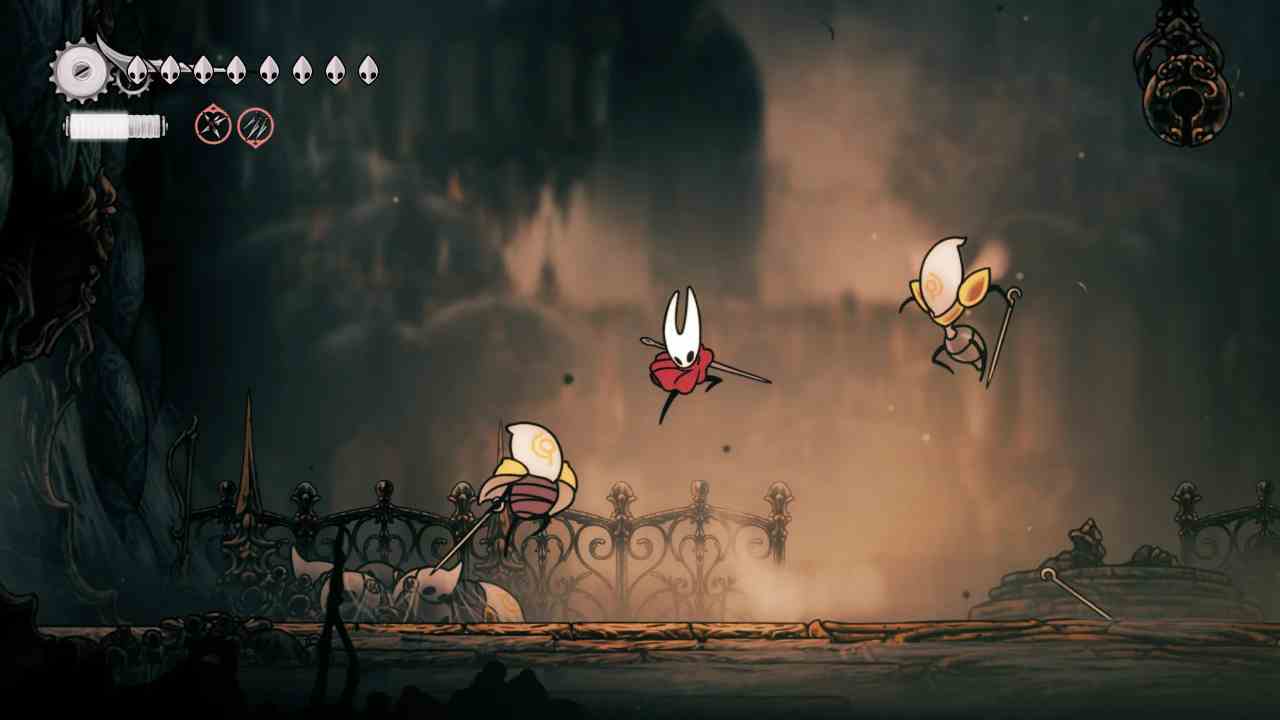
Hollow Knight
Team Cherry’s dark Metroidvania is widely considered one of the best indie games of all time. Its sprawling world, precise combat, atmospheric soundtrack, and rewarding exploration make it a modern classic. It’s a must-play for fans of deep and challenging adventures.
Stardew Valley
Developed almost entirely by one person, Stardew Valley redefined the farming/life sim genre. With relaxing gameplay, endless customization, and a thriving community, it’s a cozy yet content-rich experience that stays enjoyable for hundreds of hours.
Dead Cells
A fast, fluid roguelite Metroidvania with tight controls and flashy combat. Dead Cells rewards experimentation with weapons and upgrades while offering intense challenge. Its replay value is nearly endless thanks to constant updates.
Undertale
A quirky RPG known for its humor, emotional weight, and groundbreaking approach to player choices. Undertale lets you complete the game without killing anyone, making morality and empathy core gameplay elements.
Cuphead
Cuphead’s 1930s-cartoon-inspired art makes it instantly recognizable, but its brutal bosses are what keep players hooked. The run-and-gun action demands precision and patience, creating a thrilling challenge wrapped in gorgeous hand-drawn animation.
Inside
A haunting, atmospheric puzzle-platformer known for its eerie tone and minimalist storytelling. Inside keeps players engaged through clever puzzles, environmental storytelling, and a disturbing—but unforgettable—ending.
Slay the Spire
The roguelike deck-builder that revolutionized its entire genre. Its replayability, card variety, and strategic depth made it a blueprint for future deck-building games.
Outer Wilds
A time-loop exploration adventure that constantly surprises players with emotional storytelling and cosmic mystery. It’s one of the most innovative indie games ever created, blending science fiction with mind-bending exploration.
Read Also: 20 Best Action Games for Low Spec PC That Prove Potato Gaming Still Exists
Indie vs AAA vs AA — What’s the Difference?
The gaming world often throws around terms like indie, AAA, and AA, but many players don’t fully understand what separates them. These labels aren’t just about graphics or budgets — they represent different development philosophies, team structures, and expectations. Here’s how they compare.
Indie (Independent Games)
Indie games are created without the financial control of major publishers. They often come from small teams (sometimes solo developers) and focus on creative freedom rather than mass-market formulas. Budgets vary widely, but the defining trait is independence — the ability to build a game without external creative restrictions.
Key Traits:
- Small or mid-sized teams
- Creative freedom & experimental ideas
- Self-funded or crowdfunded
- Unique art styles & storytelling
- High innovation, lower production cost
AAA (Triple-A Games)
AAA games are the blockbuster titles of the gaming industry. These projects come from major studios with huge budgets, massive teams, and marketing campaigns bigger than some indie studios’ entire revenue. AAA titles focus on cinematic graphics, polished production values, and broad mainstream appeal.
Key Traits:
- Large teams (hundreds of developers)
- Budgets in the millions
- Publisher-driven decisions
- High-end graphics and large-scale production
- Designed for mass market success
AA (Double-A Games)
AA games fall in between indie and AAA. They have more funding and bigger teams than indie titles but not the massive scale of AAA blockbusters. Many AA games target niche audiences while still offering polished gameplay. Studios like Focus Entertainment, Spiders, and Deck13 often work in this category.
Key Traits:
- Mid-sized teams and budgets
- More polished than indie but less cinematic than AAA
- Often niche or genre-focused
- Mix of innovation and commercial appeal
| Category | Team Size | Budget | Creative Control | Examples |
|---|---|---|---|---|
| Indie | 1–40 devs | Low–medium | High | Hollow Knight, Celeste |
| AA | 40–150 devs | Medium | Medium | Remnant 2, A Plague Tale |
| AAA | 150+ devs | Very high | Lower | GTA V, God of War |
Indie, AA, and AAA games all offer different strengths. Indies lead in creativity, AA titles balance innovation and polish, and AAA games aim for cinematic spectacle. Together, they shape a diverse and thriving gaming ecosystem.
Why Indie Games Are Important for the Gaming Industry

Indie games aren’t just a fun niche — they’re one of the most important forces shaping modern gaming. While AAA studios focus on massive budgets, cinematic graphics, and predictable franchises, indie developers push boundaries, reinvent genres, and experiment with bold ideas that bigger studios often avoid. Their impact is deeper than most players realize.
1. Indie Games Drive Innovation
Some of the most groundbreaking mechanics in gaming came from indie titles.
- Roguelites exploded because of Hades, Dead Cells, and Slay the Spire.
- Emotional storytelling grew from games like Undertale and Celeste.
- Metroidvania revival was fueled by Hollow Knight and Ori.
AAA studios rarely take big risks; indie developers thrive on them.
2. They Offer Creative Freedom That AAA Studios Can’t Match
Indie developers don’t answer to shareholders or marketing teams.
This gives them freedom to explore:
- unconventional art styles
- deep emotional narratives
- experimental mechanics
- genres targeting niche audiences
Many of the most unique gaming experiences come from this artistic independence.
3. Indies Make Gaming More Accessible
You don’t need a high-end PC or expensive console to play many indie games.
They run on:
- older PCs
- mobile devices
- Nintendo Switch
- low-end hardware
This brings new players into gaming who might not afford AAA titles.
4. They Keep the Industry Diverse
Not every game needs to be a massive 80-hour open-world blockbuster.
Indies give players variety through:
- short narrative experiences
- cozy farming sims
- retro platformers
- 2D action games
- experimental storytelling
This diversity makes gaming more inclusive and exciting.
5. Indies Influence AAA Trends
Many AAA studios eventually copy indie successes. Examples:
- Soulslikes (indie and AA evolved it alongside FromSoftware)
- Procedural generation
- Card battlers
- Minimalist storytelling
- Pixel art renaissance
AAA companies look to indies for fresh ideas.
6. They Prove Great Games Don’t Need Giant Budgets
Games like Stardew Valley, Hades, Undertale, and Hollow Knight show that passion, creativity, and smart design can outperform million-dollar marketing campaigns. Some of the most beloved games ever made came from teams of 1–10 people.
Indie games keep the industry alive, creative, and unpredictable — and without them, gaming would feel a lot more repetitive.
Conclusion
Indie games have evolved from small, overlooked projects into one of the most influential forces in modern gaming. Understanding the true definition of indie games goes far beyond budget or team size — it’s about independence, creativity, and the freedom to build something meaningful without corporate limitations. Indie developers experiment, take risks, and deliver experiences that mainstream studios often can’t, leading to some of the most emotional, innovative, and memorable games ever made.
From heartfelt narratives like Undertale, to groundbreaking action titles like Hollow Knight and Hades, the indie scene continues to redefine what great game design looks like. These games prove that passion can compete with — and sometimes outperform — massive AAA productions. And as digital platforms grow, indie creators now have more room than ever to share their ideas with the world.
In the end, indie games matter because they keep gaming fresh. They challenge old formulas, inspire new genres, and remind us that creativity doesn’t need a blockbuster budget. Whether you’re discovering your first indie title or already deep into the scene, one thing is clear: indie games are here to stay, shaping the future of gaming one bold idea at a time.
Frequently Asked Questions (FAQs) Related to The Indie Games and Their True Meaning
A. The definition of indie games refers to titles created independently from major publishers. Indie developers fund, design, and release their games without corporate oversight, allowing full creative control. This independence is what separates indie games from AA or AAA titles.
A. The meaning of indie games has evolved, but generally refers to projects built around freedom, experimentation, and artistic expression. Indie studios can explore unique ideas, unusual mechanics, and personal stories that big-budget studios often avoid.
A. No. While many indie games are made by small teams—or even solo developers—team size doesn’t define an indie game. What matters is independence from major publishers and creative control over the project.
A. Not at all. Indie games may have smaller budgets, but they often excel in innovation, storytelling, gameplay design, and emotional impact. Titles like Hades, Hollow Knight, and Stardew Valley prove that indie quality can rival or surpass AAA games.
A. Some of the best indie games for beginners include Hades, Stardew Valley, Celeste, Hollow Knight, Dead Cells, and Cuphead. These games showcase the variety and creativity of the indie scene, making them perfect entry points.
A. No. A game can have a low budget but still be funded or controlled by a publisher. Indie status depends on creative and financial independence, not purely on visuals or production cost.