

If you’ve played even a single match of Marvel Rivals, you already know one thing — Marvel Rivals healers can decide whether your team wins or gets wiped faster than Deadpool’s attention span. Healers aren’t just “support characters” here; they are the backbone of every good composition, keeping fights alive, turning duels around, and enabling aggressive pushes when your DPS goes full send.
Marvel Rivals takes a different approach to support roles compared to most hero shooters. Healing isn’t just about standing at the back and throwing green numbers at teammates. The game’s unique healing reticle, mobility tools, and multi-layered abilities make healers feel fast, active, and essential in every single battle. Whether you prefer clutch-saving ults, burst healing on the frontline, or long-range support from a safe angle, there’s a healer that fits your exact playstyle.
In this guide, we’re breaking down all healers in Marvel Rivals, how healing works, and which characters stand above the rest. Each healer includes a full breakdown with pros, cons, and ranked placement so you can choose the perfect fit for your team.
From S-tier lifesavers to situational picks, this list gives you everything you need to dominate matches, keep your squad alive, and carry games even without top-fragging. Because let’s be honest — in Marvel Rivals, great healers aren’t just helpful… they’re game changers.
Read Also: What is First Person Shooter Meaning? FPS Games Explained Simply
All Healers in Marvel Rivals (Complete Marvel Rivals Healers List)

Before we get into ranking the best Marvel Rivals healers, we need a clear look at every support hero currently available. Marvel Rivals doesn’t overload you with dozens of healers — and that’s a good thing. Each one serves a unique purpose, fits a specific team composition, and brings its own brand of utility to the battlefield.
Here’s the complete Marvel Rivals healers list as of the current roster:
1. Mantis — Pure Healer & Crowd Control Specialist
Mantis is the queen of reliable sustain. Her healing output is consistent, her cooldowns are forgiving, and her supportive crowd control makes her great for keeping teammates alive in extended fights.
2. Loki — Trickster Support With Hybrid Utility
While most players think of Loki as a DPS-style trickster, his support abilities (including team disruption and self-sustain) place him in the hybrid healer category. He’s not pure healing, but his overall contribution to team stability earns him a healer slot.
3. Sersi — AoE Healer With Defensive Tools
Sersi excels in team fights with wide-area healing pulses and protective abilities. She’s especially strong in objective modes where teams stack together.
4. Cloak — Supportive Mobility-Based Healer
Cloak provides strong team repositioning tools and moderate healing output. His kit is built around saving teammates from bad engagements, offering both healing and escape options.
5. Rescue (Pepper Potts) — Tech-Based Burst Healer
Rescue blends Iron Man–style tech with supportive abilities. She offers burst healing, shields, and strong repositioning tools for protecting teammates during high-pressure moments.
6. Peni Parker — Hybrid Support With Utility Shields
Peni provides healing-through-shields and consistent team utility. She’s not a full healer, but her kit offers sustain, protection, and tech-based support value.
This roster forms the core of all healers in Marvel Rivals, and each one brings something different to the table. Some are easier for beginners, while others require strong positioning and game sense to use effectively.
Next, let’s break down how healing actually works in Marvel Rivals — because the game’s unique healing reticle system changes the entire support playstyle.
Read Also: What is the Definition of Indie Games? Meaning, History, & Popular Examples
How Healing Works in Marvel Rivals

Marvel Rivals doesn’t treat healing like a passive side job — it’s an active, skill-based system that rewards good positioning, timing, and awareness. To master any healer, you first need to understand the core mechanics behind the game’s healing reticle, cooldowns, and support tools. These mechanics determine how effective you are in team fights and how much value you can deliver in high-pressure moments.
Healing Reticle — How It Functions
The marvel rivals healing reticle is the heart of the support system. Instead of auto-lock healing or static beams, the reticle gives you:
- Direct aim-based healing
- Clear visual indicators
- Smart tracking within range
- Instant feedback
This design keeps you actively involved in the fight. You must aim your heals, track teammates, and maintain line of sight. It prevents healing from feeling “automatic,” making every clutch save feel earned.
Target Lock, Auto-Aim & Healing Range
Each healer has a unique effective healing range, and staying within that range determines how consistent your healing output is.
Key factors:
- Some healers offer light auto-aim assistance for close allies.
- Others require precise aiming within the reticle.
- Target-lock mechanics activate when teammates are within the cone.
- Losing line-of-sight interrupts healing immediately.
This makes healers highly positioning-dependent: too far and you miss heals, too close and you get deleted.
Cooldowns, Ultimate Heals & Support Utility
Healing abilities in Marvel Rivals run on short cooldowns, encouraging constant use rather than long wait times. However:
- Ultimates often deliver burst healing or team-wide sustain.
- Some abilities provide hybrid support like shields, CC, or mobility.
- Proper cooldown cycling is the difference between winning and losing fights.
Good healers always think one step ahead — anticipating damage, not reacting late.
Mobility vs. Healing Output Balance
Some healers offer insane mobility with lower healing numbers.
Others are stationary powerhouses with huge healing potential.
You must balance:
- Safety
- Output
- Utility
- Team distance
- Fight timing
This balance determines which healers fit which team compositions.
If you understand these core healing mechanics, you’re already halfway to mastering your role. Now, let’s look at who actually ranks the highest among all healers.
Read Also: 30 Best Games Like Tekken Every Figthing Game Fan Shouls Try Once
Best Marvel Rivals Healers Ranked (Tier List)
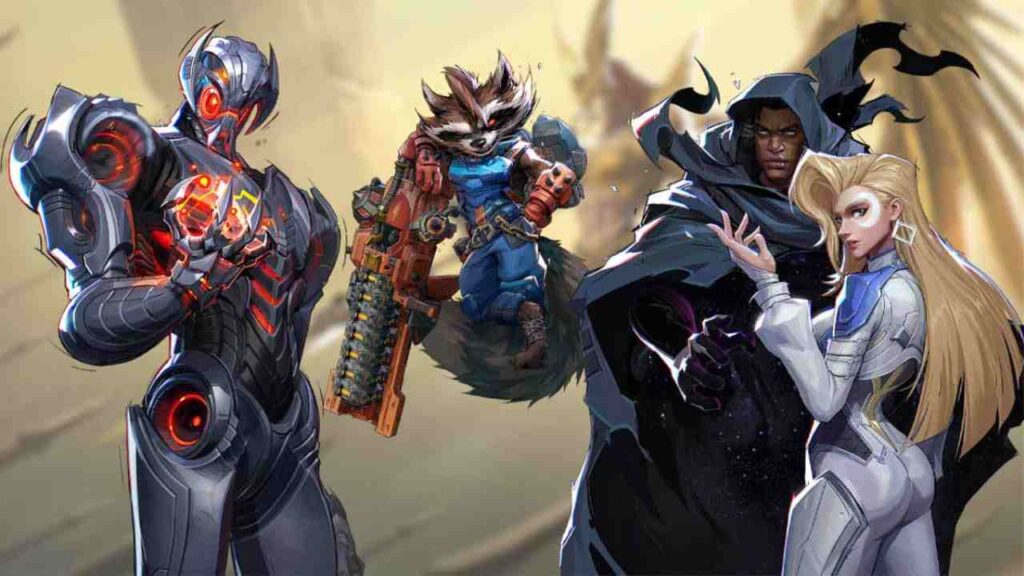
Now that we understand all healers and how the Marvel Rivals healing reticle works, it’s time to see who truly stands out. This ranking is based on healing output, team utility, mobility, survivability, and overall impact on a match. Whether you want the strongest sustain, clutch-saving ults, or maximum flexibility, this tier list breaks down the best healers in Marvel Rivals with clear pros and cons.
S-Tier Marvel Rivals Healers
These healers offer the best mix of healing, utility, and consistency. They fit almost every team comp and deliver the highest value in coordinated and solo play.
S-Tier: Mantis — The Best Overall Healer in Marvel Rivals
Mantis is the gold standard for support players. She delivers the most reliable continuous healing in the game, making her essential in long team fights and objective-heavy modes. What puts her at the top is her ability to sustain multiple teammates at once using a forgiving healing reticle and generous range. Her CC abilities also let her peel for allies, stopping assassins from diving the backline.
In coordinated teams, Mantis becomes nearly unstoppable — keeping tanks alive through insane damage spikes while still supporting DPS pushes. Her kit is easy to learn, hard to master, and incredibly rewarding.
Pros:
- Best consistent healing output
- Great AoE sustain
- Strong crowd control
- Easy for beginners
- High value in every mode
Cons:
- Low mobility
- Requires protection from teammates
- Focused by enemy divers
S-Tier: Sersi — Massive AoE Support for Teamfights
If your team loves sticking together, Sersi becomes a powerhouse. Her area healing abilities keep entire groups alive during chaotic fights, and her defensive tools allow her to mitigate major bursts of damage. In objective modes like Payload and Capture Points, she shines brighter than anyone else.
Her healing reticle has wide coverage, making her perfect for players who prefer reactive, team-based gameplay. She doesn’t offer much individual peel, but her team-wide value places her firmly in S-tier.
Pros:
- Huge AoE healing
- Great for clustered fights
- Very strong in objective modes
- Easy to track teammates
Cons:
- Struggles with mobile teammates
- Limited self-sustain
- Vulnerable to flanks
A-Tier Marvel Rivals Healers
Strong healers with situational advantages. Excellent in the right hands or right comps.
A-Tier: Rescue (Pepper Potts) — Burst Healing & Shields
Rescue brings high-tech support with shield-based sustain and strong burst heals. She excels at saving allies from deadly bursts, especially squishier heroes that die quickly without assistance. Her mobility tools also make her one of the safest healers in the game — she can reposition fast and avoid being caught.
Players who like “battle medic” vibes will love Rescue. She doesn’t sustain teams as well as Mantis or Sersi, but her clutch-saving potential is unmatched in coordinated engagements.
Pros:
- Great burst healing
- Shields + utility
- High survivability
- Strong repositioning tools
Cons:
- Shorter healing uptime
- Smaller healing range
- Less effective in big AoE fights
A-Tier: Cloak — The Mobility Support Savior
Cloak is all about repositioning, saving allies, and controlling the pace of the fight. His heals are moderate, but his ability to teleport teammates out of danger makes him invaluable. In the right hands, Cloak feels like a “defensive support carry,” constantly messing with enemy positioning.
While not as intuitive as Mantis or Sersi, Cloak is extremely powerful for players who enjoy creative, strategic healing.
Pros:
- Best rescue/support mobility
- Amazing for saving teammates
- Great disengage tools
- Good survivability
Cons:
- Lower raw healing
- High-skill kit
- Weak when mispositioned
B-Tier Marvel Rivals Healers
Useful, but not top picks unless you like their specific playstyle.
B-Tier: Peni Parker — Shield-Based Support With Hybrid Utility
Peni focuses on shield-based sustain instead of raw healing. She excels at protecting teammates before fights rather than saving them during heavy engagements. Good Peni players prep their team before pushes, creating a strong early advantage.
Her healing reticle requires more precise timing, and she struggles during chaotic battles. Still, she’s a solid pick for defensive comps.
Pros:
- Strong shielding tools
- Good pre-fight sustain
- High-tech-based utility
Cons:
- Lower healing
- Limited clutch potential
- Struggles in fast-paced fights
Read Also: 30 Best Games Like Call of Duty (For PC, Consoles, & Android Players)
How to Pick the Best Healer for Your Playstyle

Choosing the right healer in Marvel Rivals isn’t just about picking the highest-ranked hero — it’s about matching your playstyle to the healer’s strengths. Each support character offers a different role, different tempo, and a different approach to fights. Whether you like aggressive play, passive sustain, or tactical repositioning, there’s a healer built just for you.
Below is a breakdown of the best healer choices depending on how you naturally play the game.
Aggressive Support Players
If you love sticking close to the frontline and helping your team push aggressively, you need a healer who thrives in chaotic fights and can keep multiple teammates alive at once.
Best Picks:
- Sersi — Her AoE healing lets you support the entire frontline.
- Rescue — Burst heals and shields help secure aggressive dives.
You’ll enjoy healers who don’t force you to stay far in the backline. Aggressive supports excel in brawls, objective pushes, and close-range fights.
Defensive/Backline Healers
If you’re the type who prefers staying safe while supporting the team from a distance, you need a healer with stable output and strong defensive tools.
Best Picks:
- Mantis — The most reliable long-duration healer in the game.
- Peni Parker — Strong defensive shields to prep your team before fights.
These healers let you maintain a safe position while still providing massive value.
High-Mobility Healers
Some players love constantly repositioning, saving teammates from danger, and controlling the flow of the battle. If mobility and strategic rescues are your thing, this category is perfect.
Best Picks:
- Cloak — The best mobility-based support with teleport tools.
- Rescue — Burst movement and team repositioning options.
You’ll shine in situations where quick movement and smart decision-making matter more than raw healing numbers.
Beginner-Friendly Healers
If you’re new to Marvel Rivals or support roles in general, you want healers that are forgiving, simple to use, and don’t require pinpoint accuracy or advanced mechanics.
Best Picks:
- Mantis — Easiest healer with amazing value.
- Sersi — Wide AoE healing and easy reticle tracking.
Both offer strong healing without demanding too much mechanical skill.
Once you understand your natural playstyle, picking the right healer becomes easy. The best healer is the one that fits how you like to support your team — not just the one at the top of the tier list.
Read Also: 30 Best Video Games Based on Movies (Ranked All-Time Classics)
Pro Tips to Improve Your Healer Gameplay
Mastering the healer role in Marvel Rivals requires more than just aiming at teammates and pressing heal. Great support players understand positioning, cooldown timing, team priorities, and how to survive long enough to make an impact. Whether you’re a beginner or an advanced healer, these pro tips will instantly elevate your gameplay.
1. Prioritize Positioning Over Healing
The biggest mistake new support players make is trying to heal from the frontline. Remember:
If you die first, your team loses the fight instantly.
Always play slightly behind your tank or bruisers, staying within safe healing range while maintaining line of sight. Good positioning alone can double your impact.
2. Heal High-Value Targets First
Not every teammate should be healed first. You must prioritize:
- Tanks during pushes
- DPS heroes who are carrying damage
- Teammates contesting the objective
- Anyone who can clutch a fight
You don’t need to save everyone. Save the ones who can help win the fight.
3. Don’t Overheal — It Wastes Time
Marvel Rivals healers have limited cooldowns. If someone is only missing a small chunk of health, don’t spam heals unnecessarily. Save your abilities for when they matter:
✔ burst damage
✔ dives
✔ objective fights
✔ enemy ultimates
Smart cooldown management separates decent healers from great ones.
4. Use Cover and Corners to Stay Alive
Move from cover to cover. Peek only to heal or support. This prevents you from getting picked off by snipers or flanking heroes.
Small movements make a massive difference:
- sidestep behind objects
- hide between shots
- use verticality
- stay unpredictable
Your survivability boosts your team’s survival.
5. Save Ultimates for Teamfight Moments
Many Marvel Rivals healers have ultimates that provide:
- big AoE healing
- team-wide shields
- repositioning
- revive-like sustain
Saving them for objective fights, choke points, or clutch moments dramatically increases their value.
6. Communicate With Your Team (Even Without Voice)
You can communicate with pings:
- ping “group up” before healing
- ping threats like flankers
- ping positions where you will heal from
This helps your team play around you.
7. Learn When to Stop Healing and Start Escaping
Sometimes healing isn’t the right move. If you’re getting jumped by two enemies, escape first. Your survival helps more than trying to heal while dying. Use mobility tools wisely.
8. Practice Tracking With the Healing Reticle
The Marvel Rivals healing reticle rewards smooth tracking and smart positioning. Practice staying close enough to allies but far enough from danger. Over time, your healing accuracy will skyrocket.
Mastering these healer fundamentals will make you a valuable asset in every match. Combine them with your preferred healer’s strengths, and you’ll quickly become the backbone of your team.
Final Ranking — Best Healers in Marvel Rivals (Summary Table)
Here’s a clear, easy-to-read summary table of the best Marvel Rivals healers, their tier placements, and their core strengths. Use this quick reference to choose the perfect support hero for your playstyle.
Marvel Rivals Healers Ranked (Tier List Summary)
| Healer | Tier | Role Strength | Best For |
|---|---|---|---|
| Mantis | S-Tier | Best overall healer, strongest sustain | Beginners, teamfights, objective play |
| Sersi | S-Tier | Massive AoE healing & team sustain | Close-range comps, grouped teams |
| Rescue | A-Tier | Burst healing + shields | Saving squishies, aggressive dives |
| Cloak | A-Tier | Best mobility support | Repositioning, saving teammates |
| Peni Parker | B-Tier | Shield-based sustain | Defensive teams, pre-fight buffs |
Quick Takeaways
- Mantis remains the best healer thanks to unmatched consistency and ease of use.
- Sersi shines in objective modes where teams stay grouped.
- Rescue is perfect for fast-paced comps that need quick saves.
- Cloak offers mobility and tactical repositioning that no one else provides.
- Peni Parker works best in defensive setups but struggles in chaotic fights.
This table gives players a quick overview of all healers in Marvel Rivals, helping them quickly identify the right pick for their team composition.
Read Also: 20 Best Underrated Sports Video Games Better Than You Remember
Conclusion
Healers play a crucial role in shaping every match, and understanding the strengths of each character helps you perform better regardless of your skill level. From Mantis’ unmatched sustain to Sersi’s massive AoE support and Cloak’s tactical rescues, every healer brings something unique to the battlefield. The key is choosing the one that fits how you enjoy playing — aggressive, defensive, mobile, or supportive from a safe distance.
By now, you should have a complete understanding of Marvel Rivals healers, how the healing reticle works, and which heroes stand at the top of the current meta. Whether you prefer burst healing, hybrid support, shields, or heavy sustain, mastering your chosen healer will make you the backbone of your team. And in Marvel Rivals, a great healer doesn’t just support the squad — they carry fights by keeping everyone alive at critical moments.
As the game evolves and new heroes arrive, the healer rankings may shift, but the fundamentals will always stay the same: smart positioning, good cooldown timing, and choosing a healer who complements your team’s playstyle. Stick with these strategies, and you’ll consistently outperform other support players while helping your team secure more victories.
Frequently Asked Questions Related to Best Marvel Rivals Healers
A. The best Marvel Rivals healers right now are Mantis and Sersi, both ranked S-Tier for their strong sustain and teamfight value. Mantis offers the best consistent healing, while Sersi dominates grouped fights with AoE support.
A. The Marvel Rivals healing reticle requires players to aim and track teammates within a specific cone. You must maintain line-of-sight and stay within range. Each healer has a slightly different reticle shape, healing speed, and lock-on behavior.
A. Yes. The current Marvel Rivals healers list includes:
Mantis, Sersi, Rescue, Cloak, and Peni Parker.
Some hybrid supports, like Loki, offer healing utility but are not primary healers.
A. Mantis is the best beginner-friendly healer thanks to her wide reticle, forgiving cooldowns, and easy sustain. Sersi is also beginner-friendly if you prefer teamfight AoE healing.
A. Cloak is the top mobility-based healer. His teleport and escape tools allow him to reposition teammates and avoid dives better than any other support hero. Rescue also offers strong mobility but with a more burst-focused kit.
A. We rank Marvel Rivals healers based on: Healing output, Utility and support value, Mobility, Difficulty, Teamfight impact, and Synergy with tanks/DPS. Mantis and Sersi currently top the Marvel Rivals Healers ranked list.